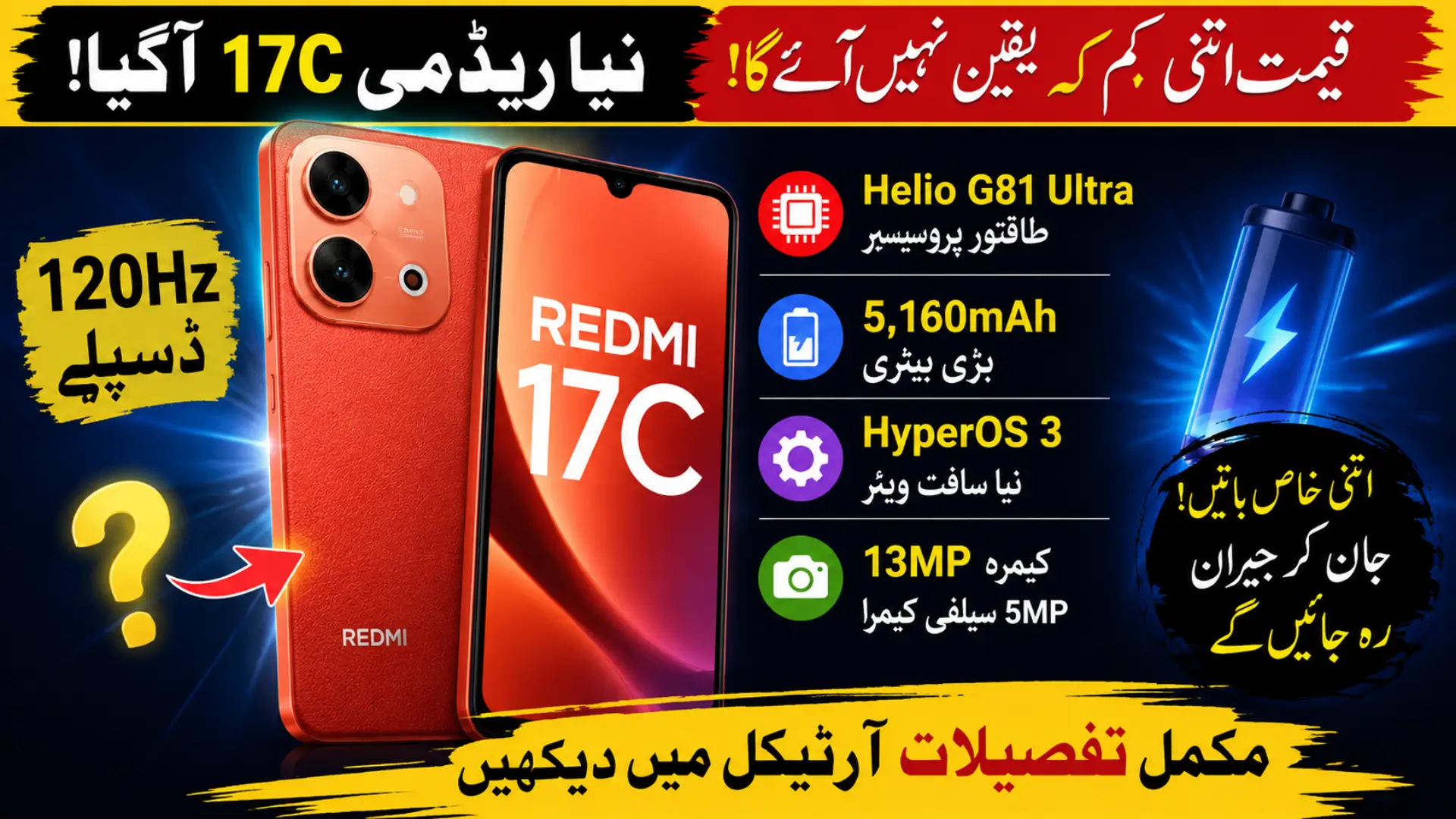
Xiaomi has officially introduced the Redmi 17C in China as its latest budget smartphone. Interestingly, the company skipped the Redmi 16C branding and launched the new device directly under the Redmi 17C name. The smartphone is designed for users looking for essential features, a large display, and reliable battery life at an affordable price.
The Redmi 17C brings several notable features, including a 120Hz display, MediaTek Helio G81 Ultra processor, HyperOS 3 software, and a 5,160mAh battery. With its competitive pricing and Redmi’s strong presence in global markets, the device could also make its way to Pakistan in the future.
The Redmi 17C features a 6.88-inch LCD display with an HD+ resolution of 1640 × 720 pixels. The screen supports a refresh rate of up to 120Hz, helping deliver smoother scrolling, animations, and everyday interactions. Xiaomi has also included a 240Hz touch-sampling rate to improve touch responsiveness during regular use.
For outdoor visibility, the display can reach up to 600 nits of brightness. Xiaomi has also equipped the panel with TÜV Rheinland certifications for reduced blue light and improved viewing comfort. The phone includes a side-mounted fingerprint scanner, offering a convenient way to unlock the device securely.
Redmi 17C Color Options and Build Quality
The smartphone is available in Black, Danxia Red, and Sea Breeze Blue color options. Xiaomi has given the Danxia Red model a faux-leather texture, which provides a unique appearance compared to the standard glossy finishes.
Meanwhile, the Black and Sea Breeze Blue variants feature glossy rear panels. The overall design follows Redmi’s modern styling approach while maintaining a practical and budget-friendly construction suitable for everyday users.
Redmi 17C Display Specifications
Feature
Redmi 17C
Display Size
6.88-inch LCD
Resolution
1640 × 720 HD+
Refresh Rate
Up to 120Hz
Touch Sampling Rate
240Hz
Brightness
Up to 600 nits
Fingerprint Sensor
Side-mounted
Redmi 17C Performance and Processor
Powering the Redmi 17C is the MediaTek Helio G81 Ultra chipset. The processor uses an octa-core architecture consisting of two Cortex-A75 cores running at up to 2.0GHz and six Cortex-A55 cores operating at up to 1.8GHz.
The chipset is paired with a Mali-G52 MC2 GPU, which handles graphics-related tasks. This hardware combination is suitable for daily smartphone activities such as web browsing, social media usage, video streaming, and light gaming.
Redmi 17C RAM and Storage Variants
Xiaomi is offering the Redmi 17C with 4GB of RAM across both available variants. Customers can choose between 64GB and 128GB of internal storage depending on their storage requirements and budget.
Although the previous Redmi 15C offered configurations with more memory, Xiaomi has focused on keeping the Redmi 17C affordable. The available storage options should be sufficient for most users who need space for apps, photos, and everyday files.
The Redmi 17C includes a 13MP rear camera accompanied by an LED flash. While the rear module appears to contain multiple camera sensors, only one camera is functional, with the remaining rings serving a decorative purpose.
On the front, Xiaomi has added a 5MP selfie camera housed inside a waterdrop notch. The front camera is suitable for video calls, selfies, and basic social media content creation.
Redmi 17C Battery and Charging
Battery life is one of the key highlights of the Redmi 17C. The device is equipped with a 5,160mAh battery, which is designed to support extended daily usage without frequent charging.
The smartphone supports 18W wired charging, allowing users to recharge the battery when needed. Combined with the power-efficient processor, the battery setup is expected to deliver dependable performance throughout the day.
Redmi 17C Specifications Overview
Specifications
Redmi 17C
Chipset
MediaTek Helio G81 Ultra
Operating System
HyperOS 3
RAM
4GB
Storage
64GB / 128GB
Rear Camera
13MP
Front Camera
5MP
Battery
5,160mAh
Charging
18W Wired
Networks
2G, 3G, 4G LTE
Colors
Black, Danxia Red, Sea Breeze Blue
Redmi 17C Price and Availability
The Redmi 17C is currently available in China with two storage options. The 4GB + 64GB variant is priced at approximately $117, while the 4GB + 128GB model costs around $132.
Although Xiaomi has not officially announced availability in Pakistan, Redmi smartphones have traditionally enjoyed strong demand in the country. This increases the possibility of a future local launch.
Conclusion
The Redmi 17C offers a combination of a smooth 120Hz display, large battery, modern software, and reliable performance at an affordable price. Xiaomi has focused on delivering the features that matter most to budget smartphone users.
With its competitive pricing and practical specifications, the Redmi 17C has the potential to attract consumers looking for a dependable smartphone without spending a premium amount. Its future availability in additional markets could further increase its appeal.
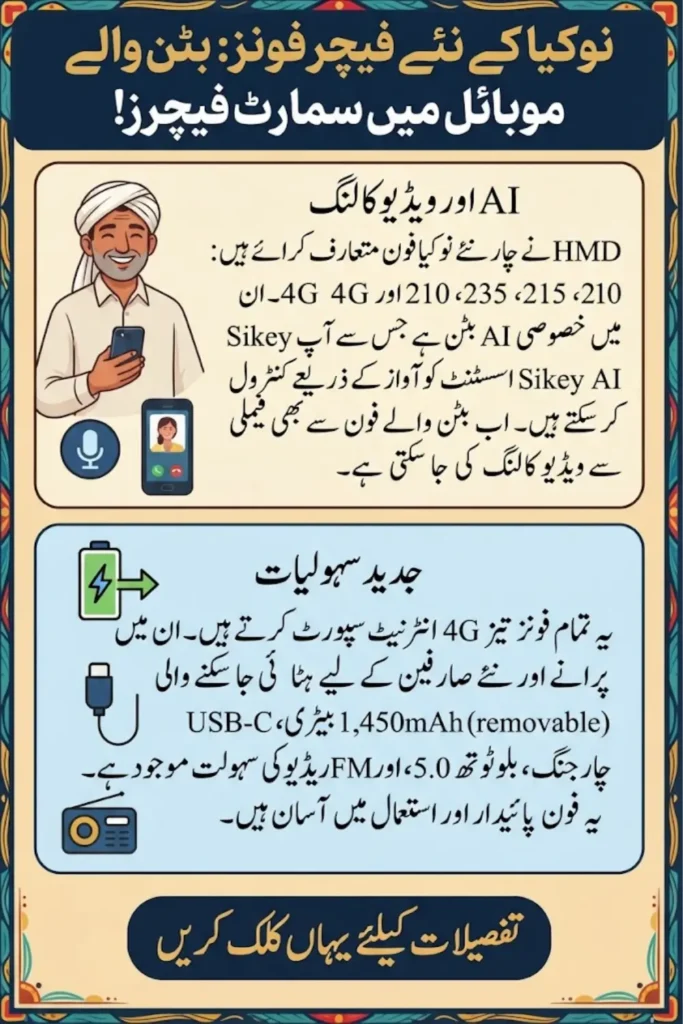
HMD has introduced a new lineup of Nokia feature phones that combine the familiar keypad design with modern smart features. The new models include the Nokia 200 4G, Nokia 210 4G, Nokia 215 4G 2nd Edition, and Nokia 235 4G 2nd Edition. These devices are designed for users who want simple mobile phones while also enjoying useful features like voice control, video calling, and 4G connectivity.
All four phones run on the S30+ operating system and include a dedicated AI button that gives users quick access to voice commands. The phones also support removable batteries, USB-C charging, Bluetooth 5.0, and FM radio, making them practical for everyday communication.
HMD Introduces Four New Nokia Feature Phones
HMD has expanded its feature phone lineup by launching four new Nokia devices with improved hardware and software features. While these phones maintain the traditional physical keypad, they also introduce modern tools that are usually found on smartphones.
The lineup includes the Nokia 200 4G, Nokia 210 4G, Nokia 215 4G 2nd Edition, and Nokia 235 4G 2nd Edition. These models are aimed at users who prefer easy-to-use phones but still want access to features such as voice assistance, video calling, and faster 4G networks.
AI Button Brings Voice Assistant to Nokia Feature Phones
One of the biggest upgrades in the new HMD Nokia Feature Phones is the dedicated AI button located in the center of the navigation pad. Pressing this button activates the Sikey AI assistant, allowing users to control different phone functions through voice commands.
The AI assistant can perform simple tasks such as turning on the flashlight, opening the camera, setting reminders, creating alarms, and calling saved contacts. HMD is offering the AI assistant free for the first 180 days, after which users will need a paid subscription through a supported smartphone application.
AI Assistant Features
Details
AI Assistant
Sikey AI
Free Trial
180 Days
Voice Commands
Yes
Flashlight Control
Supported
Camera Control
Supported
Alarm & Reminder
Supported
Voice Calling
Supported
Video Calling with Xpress Chat
Unlike traditional feature phones, all four new Nokia models support video calling through the Xpress Chat application. Each phone includes a front-facing VGA camera that allows users to make video calls with family and friends.
The Xpress Chat application also supports voice messages, text messages, photo sharing, and emojis. People using Android smartphones or iPhones can join conversations by installing the Xpress Chat app from their respective app stores.
Display and Camera Specifications
The Nokia 200 4G and Nokia 210 4G come with compact 2.4-inch QVGA displays that are suitable for daily communication. Meanwhile, the Nokia 215 4G 2nd Edition and Nokia 235 4G 2nd Edition feature larger 2.8-inch IPS displays while keeping the same QVGA resolution.
Camera capabilities vary between the models. The Nokia 210 4G includes a VGA rear camera, while the Nokia 235 4G 2nd Edition offers a higher-resolution 2MP rear camera. Every model also features a front VGA camera for video calling.
Model
Display
Rear Camera
Front Camera
Nokia 200 4G
2.4-inch QVGA
No
VGA
Nokia 210 4G
2.4-inch QVGA
VGA
VGA
Nokia 215 4G 2nd Edition
2.8-inch IPS
No
VGA
Nokia 235 4G 2nd Edition
2.8-inch IPS
2MP
VGA
Battery and Connectivity Features
All four HMD Nokia Feature Phones are equipped with a removable 1,450mAh battery. This gives users the flexibility to replace the battery if needed, which is a feature that has become rare in modern smartphones.
The phones also support Bluetooth 5.0 for wireless connectivity, USB-C charging for greater convenience, a 3.5mm headphone jack for wired audio devices, and built-in FM radio for listening to local stations without relying on internet access.
These features make the phones suitable for users who want a simple mobile experience without giving up useful modern functions. The combination of AI support and traditional design offers something different from standard feature phones.
Reasons to Consider These Nokia Feature Phones
Easy-to-use physical keypad.
Support for 4G mobile networks.
Video calling with front camera.
Compatible with Android and iPhone users through Xpress Chat.
Portable and lightweight design.
Long-lasting removable battery.
These phones may be a good option for senior citizens, students, or anyone who prefers a basic phone with a few smart features. They also provide an alternative for users who do not require a full smartphone for everyday communication.
Price and Availability
HMD has not announced the official prices of the Nokia 200 4G, Nokia 210 4G, Nokia 215 4G 2nd Edition, and Nokia 235 4G 2nd Edition. The company is expected to share pricing information closer to their release in different markets.
The devices are currently listed on HMD’s official websites in selected regions. More details regarding global availability may be announced in the coming weeks.
Final Thoughts
The new HMD Nokia Feature Phones bring several modern features to the traditional keypad phone category. With AI-powered voice controls, video calling, USB-C charging, and 4G connectivity, the devices offer more functionality while keeping the familiar Nokia experience.
Although pricing has not yet been confirmed, the combination of practical features and simple operation makes these phones an interesting choice for users looking for reliable everyday communication devices.
FAQ
What are the new HMD Nokia Feature Phones?
The lineup includes the Nokia 200 4G, Nokia 210 4G, Nokia 215 4G 2nd Edition, and Nokia 235 4G 2nd Edition.
What does the AI button do?
The dedicated AI button activates the Sikey AI assistant, allowing users to control supported phone functions using voice commands.
Do these Nokia feature phones support video calling?
Yes. All four models support video calling through the Xpress Chat application using their front-facing VGA cameras.
What battery do the new Nokia feature phones use?
Each model comes with a removable 1,450mAh battery along with USB-C charging support.
Has HMD announced the prices of these phones?
No. HMD has not yet revealed the official prices or complete availability details for the new Nokia feature phones.
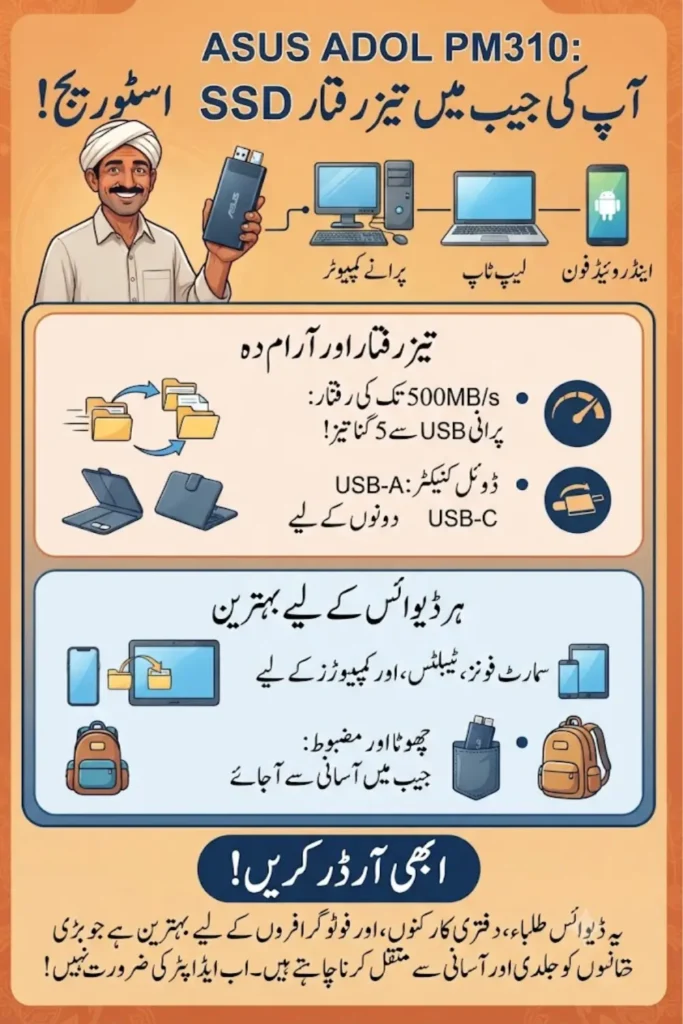
Asus has introduced the Asus Adol PM310 Portable SSD in China, offering a compact storage solution that combines the size of a USB flash drive with the performance of a solid-state drive. The device is designed for users who regularly transfer files between computers, smartphones, and tablets without carrying extra adapters.
One of the biggest highlights of the Asus Adol PM310 Portable SSD is its dual-connector design. It includes both USB-A and USB-C ports, making it compatible with older desktop computers as well as modern laptops and mobile devices. With read speeds of up to 500MB/s and storage options up to 1TB, it offers a practical option for everyday file storage and transfer.
Asus Adol PM310 Portable SSD Officially Announced
Asus has launched the Adol PM310 Portable SSD in the Chinese market as a portable storage device for users who need both speed and convenience. Instead of using a traditional USB flash drive, the company has adopted SSD technology to provide faster data transfer while keeping the device compact.
The new portable SSD is suitable for students, office workers, photographers, and anyone who frequently moves large files between different devices. Its small size also makes it easy to carry in a pocket or laptop bag.
The Asus Adol PM310 Portable SSD features a USB-A connector on one end and a USB-C connector on the other. This allows users to connect directly to older computers with standard USB ports and newer devices that use USB-C without needing an additional adapter.
The drive has a premium metal body that measures 82 × 20 × 7.5mm and weighs only 42.9 grams. Asus has also added a built-in flip-cover mechanism that helps protect both connectors from dust and damage when they are not in use.
Design Feature
Details
Connectors
USB-A and USB-C
Body Material
Metal
Dimensions
82 × 20 × 7.5mm
Weight
42.9 grams
Connector Protection
Built-in flip cover
Fast Transfer Speeds for Everyday Use
The portable SSD uses a USB 3.2 Gen 2 interface that supports sequential read speeds of up to 500MB/s. This speed is much higher than that of most traditional USB flash drives, making it easier to transfer large videos, photos, and documents in less time.
Although some larger external SSDs can achieve even faster speeds, the Asus Adol PM310 focuses on balancing performance with portability. Users who want a compact storage device with reliable speed may find it suitable for daily use.
Wide Compatibility Across Multiple Devices
The Asus Adol PM310 Portable SSD supports plug-and-play functionality, allowing users to start transferring files without installing additional software. This makes it simple for beginners as well as experienced users.
The drive is compatible with macOS, Android, HarmonyOS, iOS, and iPadOS. Thanks to its dual connectors, users can easily move files between smartphones, tablets, laptops, and desktop computers using a single storage device.
Storage Options and Pricing
Asus has introduced the Adol PM310 in four storage capacities. Buyers can choose the model that best matches their storage requirements, whether they need space for documents or larger media files.
The pricing also varies depending on the storage capacity. These prices are for the China market, and availability or pricing in other countries may be different after the global launch.
Storage Capacity
Approximate Price
128GB
Around $41
256GB
Around $60
512GB
Around $92
1TB
Around $141
Key Features of Asus Adol PM310 Portable SSD
Dual USB-A and USB-C connectors for better compatibility.
USB 3.2 Gen 2 interface with up to 500MB/s read speed.
Storage options ranging from 128GB to 1TB.
Premium metal body with a protective flip cover.
Compact size that is easy to carry.
Plug-and-play support across multiple operating systems.
These features make the Asus Adol PM310 Portable SSD a practical solution for users who need portable storage without compromising on transfer speed. Its compact design also removes the need for carrying separate adapters.
Students who need portable storage for assignments and study material.
Office professionals who regularly transfer work files.
Content creators handling photos and videos.
Smartphone users who need extra storage.
Tablet and laptop users looking for quick file transfers.
People who want a compact SSD instead of a standard USB drive.
The Asus Adol PM310 Portable SSD is suitable for users who need reliable storage in a small form factor. Its support for multiple platforms also makes it useful for people who switch between different devices throughout the day.
Final Thoughts
The Asus Adol PM310 Portable SSD brings together portability, compatibility, and faster storage performance in a compact device. Its dual USB connectors allow users to connect with both older and newer devices, while SSD technology provides quicker file transfers than traditional flash drives.
With storage capacities ranging from 128GB to 1TB and support for several operating systems, the drive offers flexibility for different users. While it has currently been launched in China, more information about availability in other markets may be announced in the future.
FAQ
What is the maximum speed of the Asus Adol PM310 Portable SSD?
The portable SSD supports sequential read speeds of up to 500MB/s through its USB 3.2 Gen 2 interface.
Which devices are compatible with the Asus Adol PM310 Portable SSD?
It supports macOS, Android, HarmonyOS, iOS, and iPadOS, along with devices that have USB-A or USB-C ports.
What storage options are available?
The Asus Adol PM310 Portable SSD comes in 128GB, 256GB, 512GB, and 1TB storage variants.
Does the Asus Adol PM310 require software installation?
No. It supports plug-and-play functionality, allowing users to connect and transfer files without installing additional software.
How much does the Asus Adol PM310 Portable SSD cost?
The starting price is around $41 for the 128GB model, while the 1TB version is priced at approximately $141 in China.
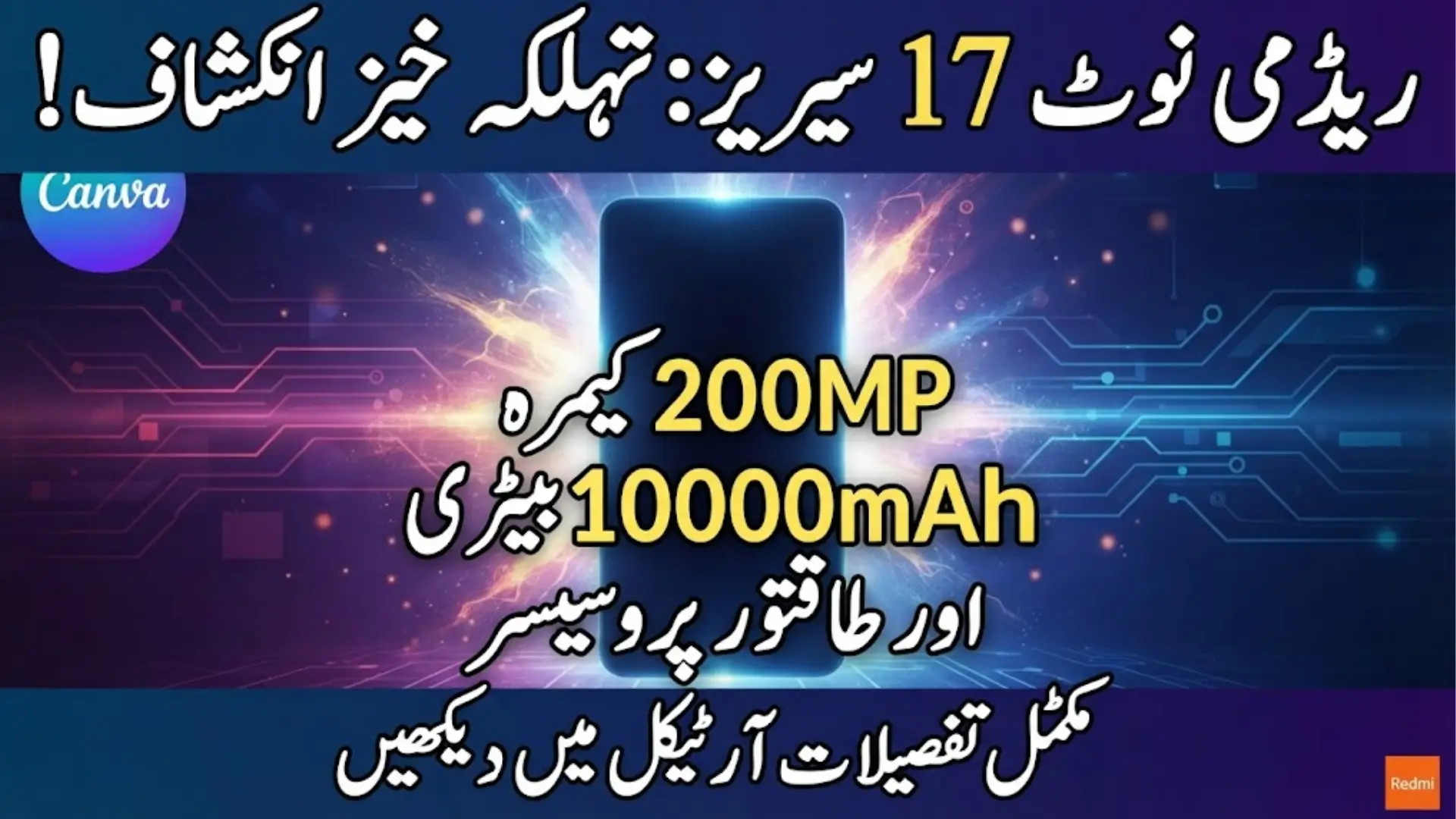
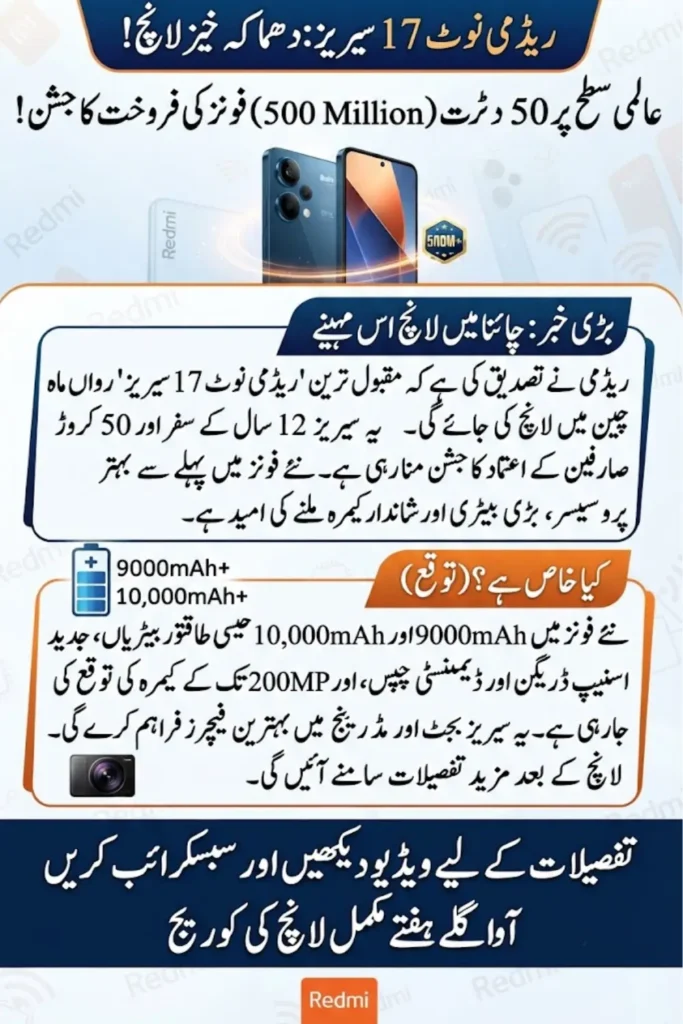
Redmi has officially confirmed that the Redmi Note 17 Series will launch in China later this month. The announcement comes at an important time because the Redmi Note lineup has now crossed 500 million global sales. This achievement shows how popular the series has become over the past 12 years among users looking for affordable smartphones with good features.
Although Redmi has confirmed the launch, it has not officially revealed the full specifications of the new phones. Most details currently available are based on recent leaks and industry reports. The Redmi Note 17 Series is expected to include upgrades in performance, display quality, battery capacity, and camera features compared to the previous generation.
Redmi Confirms Redmi Note 17 Series Launch in China
Redmi recently announced that the Redmi Note 17 Series will make its debut in China this month. However, the company has not shared the exact launch date yet. More official information is expected during the launch event, including complete specifications, pricing, and availability.
The announcement has created excitement because the Redmi Note Series is one of the company’s most successful smartphone lineups. Every new generation usually brings noticeable improvements while keeping prices affordable for everyday users.
Redmi Note Series Achieves 500 Million Global Sales
The Redmi Note Series has reached a major milestone by selling more than 500 million smartphones worldwide. This shows the strong demand for Redmi devices across different markets and highlights the brand’s success in the budget and mid-range smartphone categories.
For over a decade, Redmi has focused on offering useful features at competitive prices. The 500 million sales milestone reflects customer trust and sets high expectations for the upcoming Redmi Note 17 Series.
Redmi Note Series Highlights
Details
Global Sales
Over 500 million units
Series Age
Around 12 years
Upcoming Model
Redmi Note 17 Series
Launch Region
China
Official Launch Status
Confirmed
Expected Redmi Note 17 Specifications
According to recent leaks, the standard Redmi Note 17 may come with Qualcomm’s Snapdragon 6 Gen 5 processor. This chipset is expected to provide smoother performance for daily tasks, gaming, and multitasking while improving power efficiency.
The phone is also rumored to feature a flat display with 1.5K resolution, giving users sharper visuals for videos and games. A 50MP main rear camera and a large 9,000mAh battery are also expected, but Redmi has not officially confirmed these details.
Expected Redmi Note 17 Pro Specifications
Leaks suggest that the Redmi Note 17 Pro could use the MediaTek Dimensity 7500 processor. This chipset is expected to deliver better performance for users who need faster processing, improved gaming, and efficient multitasking.
Another major highlight could be the 200MP primary rear camera, which may offer better image quality and more detailed photos. Reports also mention a massive 10,000mAh battery, making the Pro model suitable for users who need longer battery life throughout the day.
Expected Features
Redmi Note 17
Redmi Note 17 Pro
Processor
Snapdragon 6 Gen 5 (Expected)
MediaTek Dimensity 7500 (Expected)
Display
Flat 1.5K Display
Premium Display (Expected)
Main Camera
50MP
200MP
Battery
9,000mAh
10,000mAh
Official Confirmation
No
No
Important Expected Upgrades in the Redmi Note 17 Series
Larger batteries for longer daily usage.
Better processors for improved speed and efficiency.
Higher camera quality for photography.
Improved display experience with sharper resolution.
These expected improvements suggest that Redmi is focusing on delivering a better overall smartphone experience. However, users should wait for the official launch because final specifications may differ from current leaks.
Shows strong customer trust in the Redmi Note lineup.
Confirms Redmi’s position in the global smartphone market.
Increases expectations for the new Redmi Note 17 Series.
Reflects the success of Redmi’s value-for-money strategy.
Reaching 500 million global sales is a significant achievement for any smartphone brand. It also shows that Redmi has consistently introduced devices that meet the needs of students, professionals, and everyday smartphone users.
Should You Wait for the Redmi Note 17 Series?
If you are planning to buy a new mid-range smartphone, waiting for the Redmi Note 17 Series could be a good decision. The leaked specifications indicate improvements in battery life, camera performance, and processing power compared to previous models.
At the same time, it is important to remember that Redmi has not officially confirmed the leaked hardware details. Waiting until the official launch will help buyers compare the final specifications, pricing, and available variants before making a purchase.
Final Thoughts
The Redmi Note 17 Series is officially set to launch in China this month, marking the next chapter for one of Redmi’s most successful smartphone lineups. The announcement becomes even more meaningful as the Redmi Note Series celebrates more than 500 million global sales.
While leaked information points to larger batteries, improved processors, and better cameras, these details remain unofficial. The launch event will reveal the final specifications and confirm whether the Redmi Note 17 Series delivers the expected upgrades.
FAQ
Is the Redmi Note 17 Series officially confirmed?
Yes. Redmi has officially confirmed that the Redmi Note 17 Series will launch in China this month. The exact launch date has not been announced yet.
What processor is expected in the Redmi Note 17?
Recent leaks suggest the standard model may feature Qualcomm’s Snapdragon 6 Gen 5 processor. Redmi has not officially confirmed this information.
What camera could the Redmi Note 17 Pro offer?
According to leaks, the Redmi Note 17 Pro may include a 200MP primary rear camera. Official camera specifications will be revealed at launch.
Will the Redmi Note 17 Series have a large battery?
Leaks indicate battery capacities of around 9,000mAh for the standard model and 10,000mAh for the Pro model. These specifications are still unofficial.
When will the Redmi Note 17 Series launch globally?
So far, Redmi has only confirmed the China launch. The company has not announced a global release schedule yet.
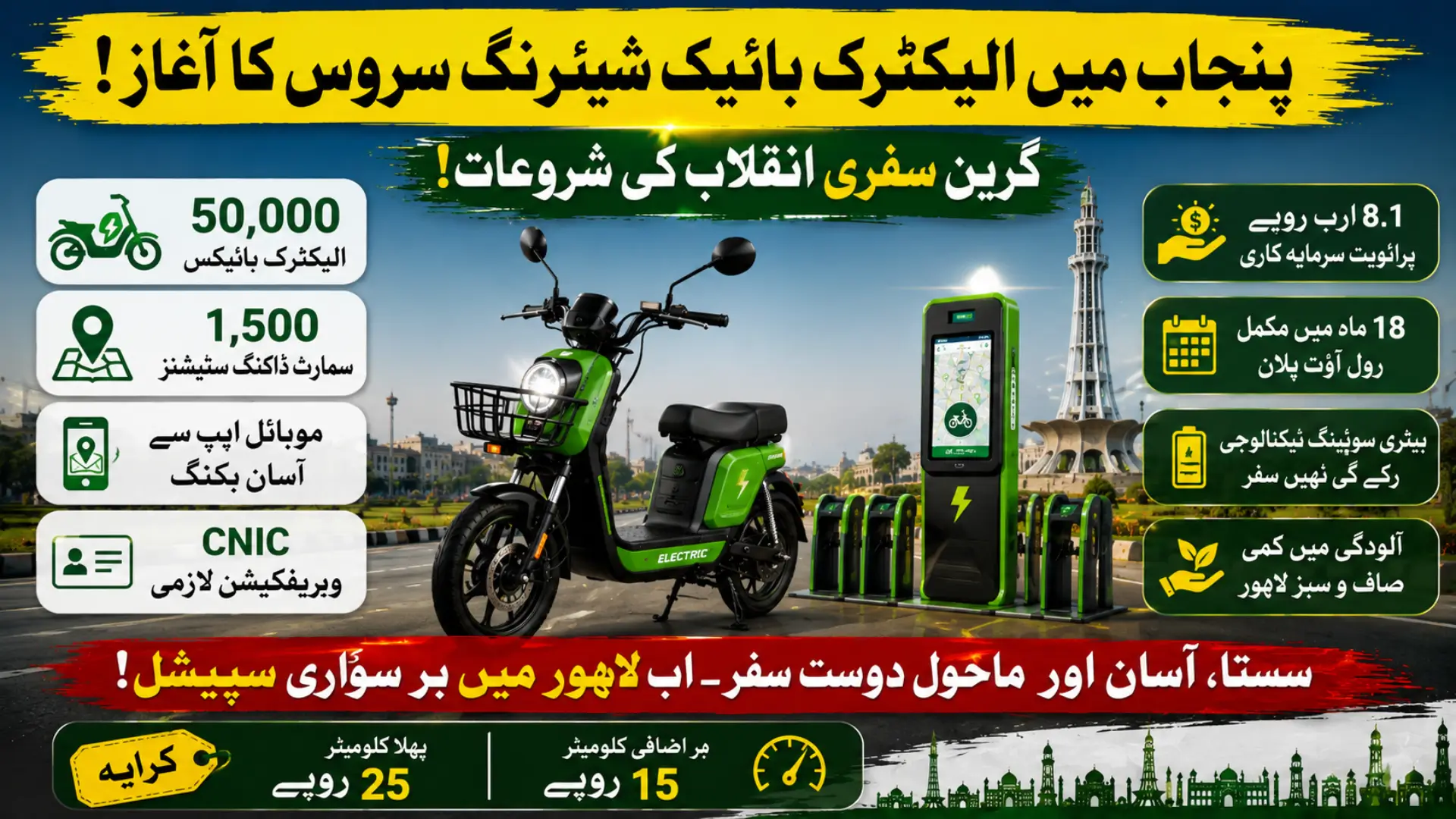
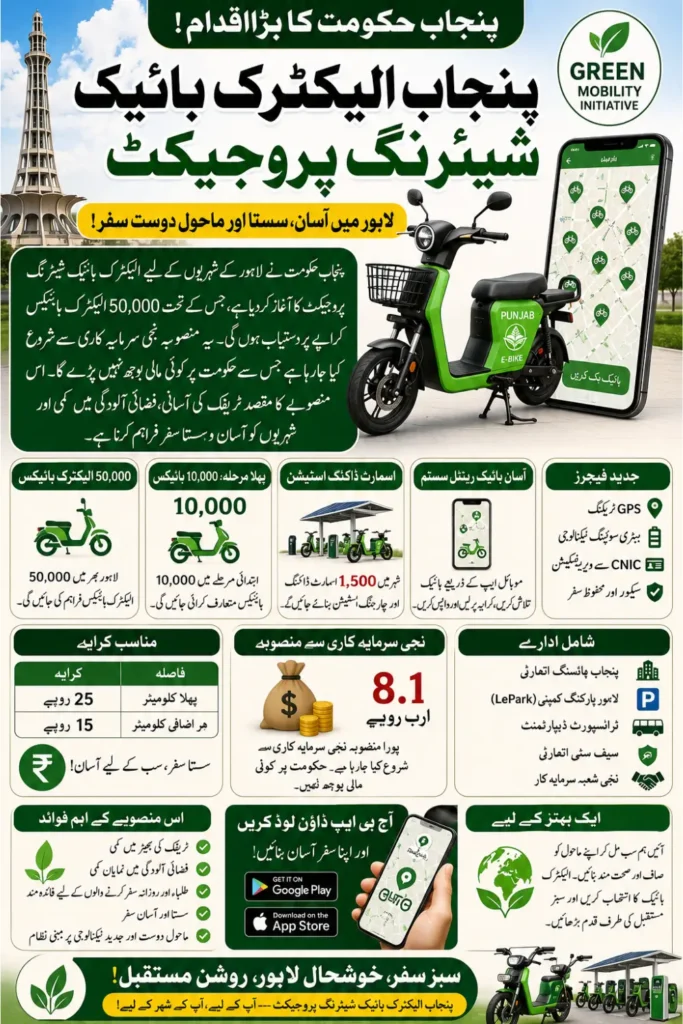
The Punjab government has officially launched the Punjab Electric Bike Sharing Project under its Green Mobility Initiative to improve urban transportation in Lahore. The project is designed to provide residents with an affordable, modern, and environmentally friendly travel option while helping reduce traffic congestion and air pollution in the city.
Unlike many public transport projects, this initiative will be financed entirely through private investment. With an initial investment of Rs. 8.1 billion, the project will place no financial burden on the provincial government. Authorities believe the bike-sharing system will support sustainable mobility and make daily commuting easier for students, office workers, and other residents.
The Punjab Electric Bike Sharing Project is a public mobility initiative that will introduce thousands of electric bikes across Lahore through a rental-based system. Citizens will be able to rent bikes using a dedicated mobile application and travel conveniently between different parts of the city.
The project aims to promote cleaner transportation by encouraging the use of electric vehicles instead of fuel-powered alternatives. By providing an accessible transport option, the government hopes to improve urban mobility while reducing environmental challenges such as pollution and smog.
Key Features of the Punjab Electric Bike Sharing Project
The project includes several modern features designed to provide a smooth and user-friendly experience. Electric bikes will be available through a technology-based system that allows users to locate, rent, and return bikes easily.
Important features of the project include:
GPS-enabled tracking through a mobile application
Battery-swapping technology for uninterrupted service
CNIC-based user verification for security
Smart docking and charging stations across Lahore
These features are expected to improve convenience and ensure the efficient operation of the bike-sharing network throughout the city.
Project Rollout and Expansion Plan
The Punjab government plans to deploy 50,000 electric bikes in phases over the next 18 months. The first phase will introduce 10,000 electric bikes to establish the initial network and assess public demand.
As the project expands, additional bikes and supporting infrastructure will be added across Lahore. The phased approach allows authorities to improve services gradually while ensuring that operational systems function effectively.
A major component of the project is the installation of smart docking and charging stations throughout Lahore. These stations will allow users to easily pick up and return electric bikes while maintaining an organized transportation system.
The Punjab Housing Authority will provide land for these facilities. The stations will be strategically located near residential areas, commercial zones, and public transport hubs to improve accessibility for commuters.
How the Bike Rental System Will Work
Citizens will access the service through a dedicated mobile application. After completing CNIC verification, users will be able to locate nearby bikes, unlock them digitally, and begin their journey.
The application will also support GPS tracking and other management features to improve security and operational efficiency. This digital system is intended to make the rental process simple and convenient for users of all age groups.
Fare Structure for Electric Bike Users
The government has announced a straightforward pricing model to keep the service affordable for the public. The fare structure is designed to encourage short-distance travel while remaining cost-effective for regular commuters.
The expected charges are listed below:
Distance Category
Fare
First Kilometer
Rs. 25
Each Additional Kilometer
Rs. 15
This pricing model may provide a lower-cost alternative for people who rely on daily transportation within Lahore.
Environmental and Traffic Benefits
One of the main goals of the Punjab Electric Bike Sharing Project is to reduce carbon emissions and improve air quality. Electric bikes produce significantly fewer emissions than conventional fuel-powered vehicles, making them a cleaner transport option.
The project is also expected to help reduce traffic congestion on busy roads. By encouraging more people to use compact electric vehicles for short trips, authorities hope to improve traffic flow and reduce pressure on existing transport infrastructure.
Institutions Supporting the Project
Several government organizations are working together to implement the initiative successfully. The collaboration ensures that infrastructure, technology, security, and operational requirements are managed effectively.
Key organizations involved include:
Punjab Housing Authority
Lahore Parking Company (LePark)
Transport Department
Safe City Authority
Private sector investors
This coordinated approach is expected to support the long-term success of the project.The Punjab government has launched the Punjab Electric Bike Sharing Project in Lahore under its Green Mobility Initiative, with 50,000 electric bikes to be deployed in phases through Rs. 8.1 billion in private investment. Users will be able to rent GPS-enabled electric bikes via a mobile app, with fares starting from Rs. 25 for the first kilometer to promote affordable and eco-friendly urban transportation.
Students, office workers, and other daily commuters are expected to benefit significantly from the bike-sharing service. The availability of affordable electric bikes can help reduce travel expenses while providing greater flexibility in urban travel.
The project may also improve connectivity between residential areas and public transport stations. This can make commuting more efficient and reduce dependence on private vehicles for short-distance travel.
Conclusion
The Punjab Electric Bike Sharing Project represents a major step toward sustainable urban transportation in Lahore. With private investment, modern technology, and a large-scale deployment plan, the initiative aims to provide residents with an affordable and environmentally friendly travel option.
By introducing electric bikes, smart docking stations, and app-based rentals, the project is expected to improve mobility, reduce traffic congestion, and contribute to cleaner air. If implemented successfully, it could become an important model for future green transportation initiatives in Punjab.
FAQs
What is the Punjab Electric Bike Sharing Project?
It is a government-supported mobility initiative that will provide electric bikes on rent through a mobile application across Lahore.
How many electric bikes will be introduced under the project?
A total of 50,000 electric bikes will be deployed in phases, with 10,000 bikes planned for the first stage.
How can users rent an electric bike?
Users will need to register through the mobile application and complete CNIC verification before renting a bike.
What is the fare for using the electric bikes?
The announced fare is Rs. 25 for the first kilometer and Rs. 15 for every additional kilometer traveled.
Who is funding the Punjab Electric Bike Sharing Project?
The project is being financed through private investment, with an initial investment of Rs. 8.1 billion and no direct burden on the Punjab government.
What are the environmental benefits of the project?
The use of electric bikes can help reduce carbon emissions, lower fuel consumption, and support efforts to improve air quality in Lahore.
The PTA Q1 2026 QoS Survey has revealed fresh insights into how Pakistan’s major mobile networks are performing for everyday users. The Pakistan Telecommunication Authority collected data from 18 cities, testing calls that drop mid-conversation, messages that fail to send, and fluctuations in internet speeds. This survey is important because it gives ordinary mobile users a clear picture of which network is actually delivering on its promises, rather than relying on advertisements or guesswork.
For beginners, it helps to understand that PTA does this kind of testing regularly to keep telecom companies accountable. The four major operators tested in the PTA Q1 2026 QoS Survey were Jazz, Zong, Ufone, and Telenor. Each one was scored across multiple categories including coverage, speed, latency, voice, and SMS, and the combined results decide who comes out on top overall.
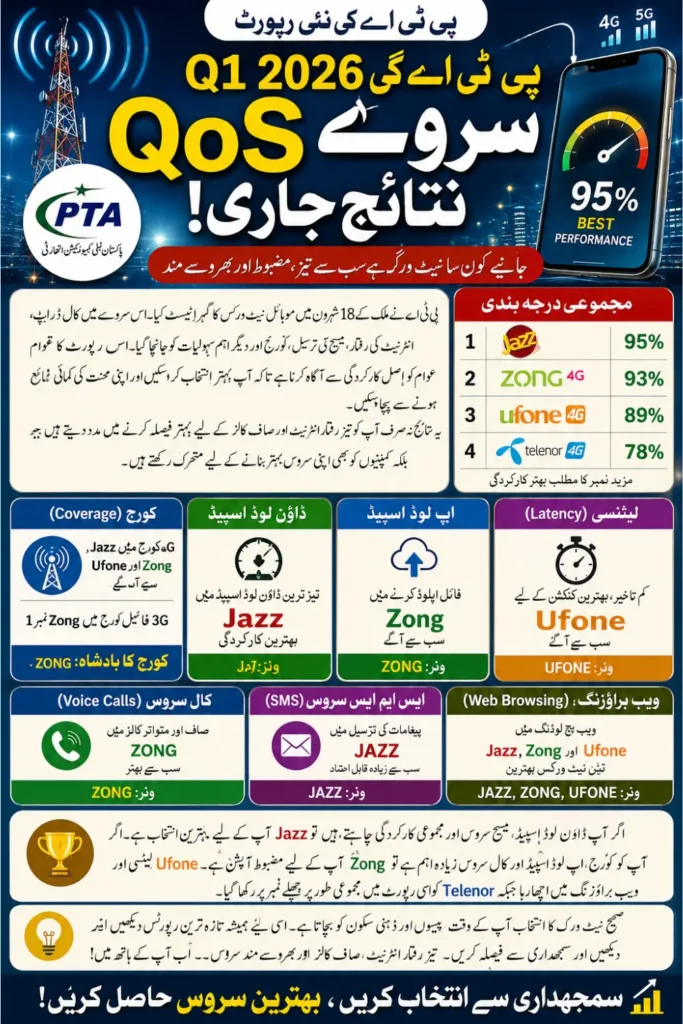
When it comes to overall performance, Jazz emerged as the clear leader. Jazz recorded the highest overall KPI compliance rate at 95 percent, with 205 compliant checks out of 216, while Zong followed closely with 93 percent, Ufone stood at 89 percent, and Telenor recorded 78 percent. This means that out of all the technical checks performed, Jazz passed the highest proportion successfully.
This overall score is a good starting point for beginners trying to understand network quality, since it combines results from every category into one simple number. A higher percentage means the network is more consistently meeting the standards set by PTA across different cities and test types.
Rank
Operator
Overall KPI Compliance
1
Jazz
95%
2
Zong
93%
3
Ufone
89%
4
Telenor
78%
Coverage Results: Zong Leads Overall
Coverage refers to how widely a network’s signal reaches across different areas, including cities and surrounding regions. In 4G coverage, Jazz, Zong, and Ufone were all ranked first, with each operator meeting the required threshold in 16 cities, while Telenor ranked second in 4G coverage. This shows that three of the four operators are fairly close when it comes to basic 4G availability.
However, when fallback connections are taken into account, the picture shifts slightly. Zong took the lead in 3G fallback coverage and recorded the highest combined coverage compliance count, giving it the edge in the overall coverage category. For everyday users, this matters because a strong fallback connection ensures your phone stays connected even in areas where 4G signal might weaken.
Speed Results: Download and Upload Performance
Speed is often the first thing users notice, especially when streaming videos or downloading files. Jazz was the clear winner in download speeds, ranking first in 13 cities and second in four cities during auto-mode testing, and also leading third-party app download testing by ranking first in 11 cities and second in six. Zong took second place in both download categories, with Ufone in third and Telenor in fourth.
Upload speed told a different story. Zong was the strongest network for upload speeds, ranking first in 12 cities for auto-mode upload testing and first in 11 cities for third-party app upload testing, while Jazz placed second in both categories. This makes Zong a strong choice for people who frequently upload videos, share large files, or work remotely using mobile data.
The following table summarises how the two leading networks compare across speed categories:
Category
Jazz
Zong
Download Speed (Auto-mode)
1st
2nd
Download Speed (App-based)
1st
2nd
Upload Speed (Auto-mode)
2nd
1st
Upload Speed (App-based)
2nd
1st
Latency, Voice, and SMS Performance
Latency refers to how quickly data travels back and forth, which affects things like video calls and online gaming. Jazz ranked first in auto-mode latency with 16 compliant cities, while Ufone ranked second, followed by Telenor and Zong, and based on average latency Ufone recorded the lowest figure at 68 ms, followed by Jazz at 86.82 ms, Zong at 90 ms, and Telenor at 108 ms. In third-party app latency testing, Zong and Ufone shared the top spot, with Jazz close behind.
Voice and SMS results showed Zong and Jazz leading in different areas. Zong ranked first in voice service performance with 88 compliant KPIs and only two non-compliant ones, while Jazz came second with 86 compliant KPIs, followed by Telenor and Ufone. For SMS, the results favoured Jazz, which recorded 34 compliant SMS KPIs against two non-compliant ones, with Zong close behind at 33 compliant KPIs.
Key points beginners should keep in mind:
A lower latency number is better, since it means less delay during calls, gaming, or video meetings
Voice and SMS compliance scores reflect how reliably calls connect and messages get delivered without failure
The PTA Q1 2026 QoS Survey ranks Jazz as Pakistan’s best-performing mobile network with 95% overall KPI compliance, while Zong follows closely at 93%, leading in coverage, upload speeds, and voice quality. The survey, conducted across 18 cities, evaluated network performance in coverage, internet speed, latency, voice calls, and SMS reliability.
Web browsing performance showed strong results across most networks. Jazz, Zong, and Ufone were all compliant in all 18 surveyed cities for webpage loading time, while Telenor ranked second with compliance in nine cities and non-compliance in the remaining nine. This indicates that for most users, opening websites and apps should feel smooth on three of the four major networks.
Looking at the bigger picture, the PTA Q1 2026 QoS Survey shows a close contest between Jazz and Zong. Jazz secured the overall win due to its strong all-round profile, leading in download speeds, SMS, auto-mode latency, and overall compliance, while Zong remained a very close competitor with better results in coverage, upload speeds, and voice calls. Meanwhile, Ufone performed well in latency and web browsing but lagged behind in speed and voice rankings, and Telenor finished last overall due to weaker results across coverage, speeds, browsing, and SMS.
Quick takeaways for choosing a network:
If overall reliability, download speed, and SMS performance matter most, Jazz is currently the strongest all-round option
If coverage, upload speed, or voice call quality are your priority, Zong is worth considering as a close alternative
Frequently Asked Questions
What is the PTA QoS Survey? It is a quality test conducted by the Pakistan Telecommunication Authority to measure how well mobile networks perform across different cities. It covers coverage, speed, latency, voice, and SMS.
Which network won the PTA Q1 2026 QoS Survey overall? Jazz won the overall survey with a 95 percent KPI compliance rate. Zong came in a close second with 93 percent compliance.
Which network has the best coverage according to this survey? Zong leads in overall coverage due to its strong performance in 3G fallback areas. Jazz, Zong, and Ufone were tied for first in basic 4G coverage.
Is Jazz faster than Zong for downloads? Yes, Jazz ranked first in download speed tests in both auto-mode and app-based testing. Zong followed in second place in both categories.
Which network is better for uploading files? Zong performed best for upload speeds, ranking first in most cities tested. Jazz came in second place for both upload testing methods.
Which network had the lowest latency? Ufone recorded the lowest average latency at 68 ms in this survey. Jazz followed closely at 86.82 ms.
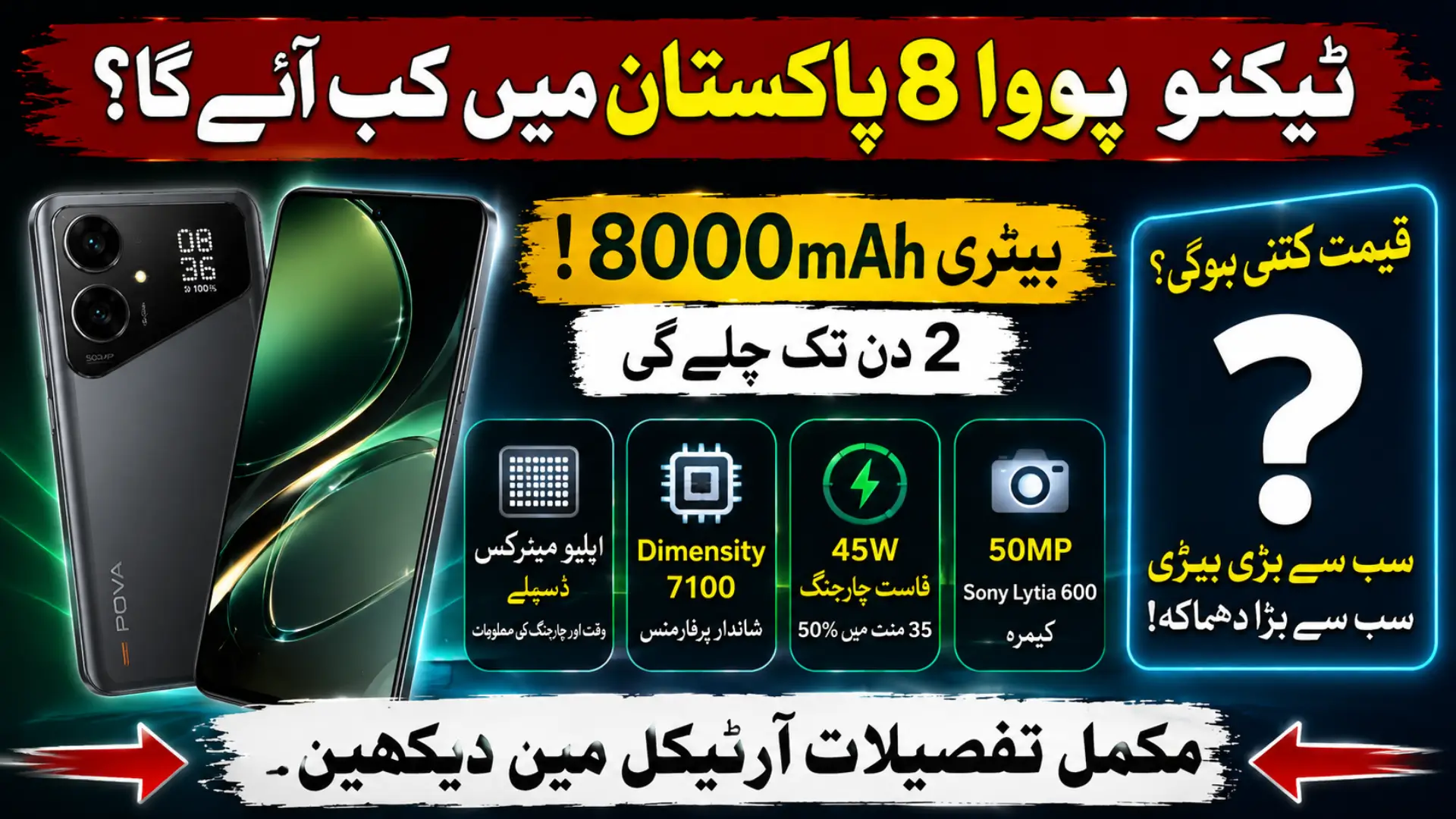
The Tecno Pova series has built a loyal following among budget-conscious buyers who want strong performance without spending too much. The latest addition, Tecno Pova 8, brings a long list of practical upgrades including a massive battery, a unique rear matrix display, and a chipset tuned for gaming. It officially launched in India on June 11, 2026, and has already attracted attention from Pakistani buyers who are eager to know when it will arrive locally.
For Pakistani users, the Tecno Pova 8 price in Pakistan has not been officially announced yet, but expectations are building. Given the brand’s history in the region and the competitive specifications on offer, this phone has real potential to perform well in the local mid-range segment. This article covers everything you need to know, from design and performance to battery life and expected pricing.
The Tecno Pova 8 features a triangular camera island on the back that stands out from the typical rectangular designs seen on most phones today. While the module appears to have three lenses, only one is an actual camera. The second slot is decorative, and the third houses the Alive Matrix Display, a small dot-matrix screen that can show quick information like the current time or charging status. This concept draws clear inspiration from Nothing’s glyph interface but offers a more informative use case rather than just visual notifications.
The phone carries an IP64 rating, which means it is fully protected against dust and can handle water splashes without issue. It comes in four color options: Arc White, Graphite Black, Helios Orange, and Echo Green, giving buyers a range of choices across casual and bold styles. The overall build feels designed to attract younger users and gamers who want a phone that looks distinct in a crowd.
On the front, the Tecno Pova 8 carries a 6.76-inch IPS LCD panel with a 1080p plus resolution. The screen supports a 144Hz refresh rate, which keeps scrolling and animations feeling fluid throughout the day. For gaming specifically, the 240Hz touch sampling rate reduces the delay between your finger movements and what happens on screen, giving players a more responsive experience in fast-paced titles.
Tecno has also added Wet and Oily Finger Touch Recognition 2.0, a feature that ensures the touch screen responds accurately even if your hands are sweaty during a long gaming session or slightly damp from daily use. While the panel is an IPS LCD rather than AMOLED, the combination of high refresh rate and accurate touch input makes it a practical choice for the phone’s target audience of casual to mid-level gamers.
Key Features at a Glance
8000mAh battery with TUV SUD-certified two-day backup on a single charge
Alive Matrix Display embedded in the camera island for real-time information like time and charging status
MediaTek Dimensity 7100 chipset with 15,000 square millimeter graphite heat sheet for sustained performance
Android 16 out of the box with HiOS 16 on top, making it one of the first phones in this segment with the latest Android
IP64 dust and splash resistance for everyday durability
45W fast charging capable of reaching 50 percent battery in just 35 minutes
The Tecno Pova 8 has officially launched in India and is expected to arrive in Pakistan soon with an estimated price of Rs. 70,000 to Rs. 85,000. It features an 8000mAh battery, 144Hz display, MediaTek Dimensity 7100 chipset, and Android 16, making it a strong contender in the mid-range gaming smartphone segment.
Tecno Pova 8 Performance – Dimensity 7100 Chipset Built for Gaming
The Tecno Pova 8 runs on the MediaTek Dimensity 7100 chipset, which is built on TSMC’s 6nm manufacturing process. It features an octa-core CPU configuration with four high-performance Cortex-A78 cores running at 2.4GHz and four efficiency cores at 2.0GHz. This setup handles everyday tasks smoothly while managing heavier workloads like gaming or multitasking without noticeable slowdowns. The phone pairs this chipset with 8GB of LPDDR5X RAM and 256GB of UFS 2.2 internal storage, which is a solid combination for this price range.
Tecno has paid special attention to thermal management by adding a 15,000 square millimeter graphite sheet inside the device. This material absorbs and spreads heat across the body so the processor can maintain higher performance levels for longer periods. The company states that the phone delivers stable 90fps gameplay in popular titles like Honor of Kings and Mobile Legends: Bang Bang. For anyone who plays mobile games regularly, this focus on sustained performance rather than just peak numbers is a meaningful advantage.
Tecno Pova 8 Camera – 50MP Sony Lytia 600 Sensor
The Tecno Pova 8 uses a single 50MP rear camera built around the Sony Lytia 600 sensor with a 1/1.95-inch sensor size. It supports phase-detection autofocus and a 2x in-sensor zoom for closer shots without a physical telephoto lens. The large sensor size helps it capture more light in dim environments, and the Sony Lytia series is known for reliable color accuracy and natural-looking images. It is worth being clear: despite the three-slot camera island, only one of those is a working camera.
On the front, a 13MP selfie camera handles video calls and portraits. While the camera setup may disappoint users who expect multiple rear lenses at this price, the single high-quality sensor approach is often more reliable than filling space with low-resolution secondary cameras that add little real value. For social media photography and everyday moments, the 50MP primary shooter is more than capable.
Tecno Pova 8 Battery and Charging – 8000mAh for Two-Day Life
The 8000mAh battery is the headline feature of the Tecno Pova 8 and one of the largest found in any phone at this price segment. TUV SUD, an independent testing organization, has verified that the battery can comfortably last two full days on a single charge under normal usage patterns. Beyond daily endurance, Tecno has designed the battery to survive more than 2,000 charging cycles while retaining at least 80 percent of its original capacity, which the brand equates to roughly six years of regular use.
Charging the battery is supported at 45W through a wired connection, which can bring the phone from one percent to fifty percent in just 35 minutes. The device also supports 10W reverse wired charging, meaning it can act as a power bank to charge accessories or another phone in an emergency. For users who travel frequently or simply dislike carrying a charger everywhere, this combination of large capacity and fast charging offers genuine peace of mind.
Tecno Pova 8 Full Specifications
Feature
Details
Chipset
MediaTek Dimensity 7100 (6nm)
CPU
Octa-core (4×2.4GHz Cortex-A78 and 4×2.0GHz Cortex-A55)
GPU
Mali-G610 MC2
Operating System
Android 16, HiOS 16
Display
6.76 inches, 1080×2344 pixels, IPS LCD, 144Hz
RAM
8GB LPDDR5X
Storage
256GB UFS 2.2
Rear Camera
50MP Sony Lytia 600, 1/1.95-inch, PDAF, 2x zoom
Front Camera
13MP
Battery
8000mAh
Charging
45W wired, 10W reverse wired
Network
2G, 3G, 4G LTE, 5G
Fingerprint
Side-mounted
Water Resistance
IP64
Colors
Arc White, Graphite Black, Helios Orange, Echo Green
Tecno Pova 8 vs Competitors – How Does It Compare?
Battery advantage: The 8000mAh cell is significantly larger than most phones in the same price range, where 5000mAh to 6000mAh is the norm
Software edge: Android 16 out of the box gives the Pova 8 a future-proofing advantage over rivals still shipping Android 14 or 15
Display limitation: Competitors at a similar price sometimes offer AMOLED panels, which deliver deeper blacks and better contrast than IPS LCD
Camera tradeoff: While the 50MP Sony sensor is capable, single-camera phones face stiff competition from rivals offering wide-angle or macro secondary lenses
The Tecno Pova 8 price in Pakistan has not been officially confirmed by Tecno as of June 2026. Based on the international pricing of the Pova series and the current state of Pakistani mobile taxes, the expected price range sits between Rs. 70,000 and Rs. 85,000 for the 8GB plus 256GB variant. This estimate takes into account PTA registration taxes, import duties, and typical retail margins that apply to phones sold in Pakistan. Buyers should treat this figure as a reference point rather than a confirmed price until Tecno Pakistan makes an official announcement.
The Tecno Pova 6 was previously available in Pakistan, while the Pova 7 was not officially launched here. This creates some uncertainty about whether the Pova 8 will come to Pakistan at all. However, the international rollout beginning in India on June 11, 2026, suggests broader market availability is being planned. A Pakistan launch would depend on PTA approvals, retailer negotiations, and Tecno’s regional sales strategy. Following Tecno Pakistan’s official social media channels is the most reliable way to stay updated on a confirmed launch date and final price.
Expected Price Comparison by Market
Market
Expected Price
Status
India
Around Rs. 24,999 INR
Launched June 11, 2026
Pakistan
Rs. 70,000 to Rs. 85,000
Not officially launched yet
International
Varies by region
Rolling out gradually
Should You Wait for the Tecno Pova 8 in Pakistan?
If you are a regular mobile gamer or someone who relies heavily on their phone throughout the day without easy access to a charger, the Tecno Pova 8 presents a genuinely compelling option. The combination of a two-day battery, 45W fast charging, 144Hz display, and the latest Android 16 software is hard to match in the expected price range. The Alive Matrix Display and IP64 rating are added bonuses that few competitors offer at this tier.
However, buyers who prioritize camera versatility or prefer an AMOLED screen may want to explore alternatives before committing. The single rear camera setup and IPS LCD panel are the two main trade-offs when compared to other phones near the Rs. 80,000 mark in Pakistan. Overall, for users whose priorities align with battery life, gaming performance, and software freshness, the Tecno Pova 8 is worth waiting for once it arrives locally.
Frequently Asked Questions
What is the expected Tecno Pova 8 price in Pakistan?
The expected price range in Pakistan is Rs. 70,000 to Rs. 85,000, but this is not yet officially confirmed by Tecno Pakistan. Final pricing will depend on taxes and retailer margins at the time of launch.
Has the Tecno Pova 8 launched in Pakistan?
No, as of June 2026 the Tecno Pova 8 has not officially launched in Pakistan. It launched in India on June 11, 2026, and a Pakistan release depends on PTA approval and Tecno’s regional rollout plans.
What processor does the Tecno Pova 8 use?
It is powered by the MediaTek Dimensity 7100 chipset built on a 6nm process, paired with 8GB of LPDDR5X RAM and 256GB of UFS 2.2 storage for smooth daily and gaming performance.
How long does the Tecno Pova 8 battery last?
The 8000mAh battery is TUV SUD certified to last two full days on a single charge, and the phone supports 45W fast charging that fills the battery from one percent to fifty percent in 35 minutes.
Does the Tecno Pova 8 have multiple rear cameras?
No, despite the appearance of three camera slots on the back, only one is a functional camera, which is a 50MP Sony Lytia 600 sensor. The other two slots are decorative or house the Alive Matrix Display.
What Android version does the Tecno Pova 8 run?
The Tecno Pova 8 runs Android 16 with HiOS 16 on top, making it one of the first phones in this price segment to ship with the latest version of Android right out of the box.
BYD Pakistan just brought in one of its biggest deliveries yet. Mega Motor Company (MMC), the brand’s official partner in the country, confirmed that a Roll on/Roll off (RoRo) vessel carrying more than 2,000 BYD New Energy Vehicles (NEVs) has docked at Karachi Port among the largest single consignments of BYD cars to reach Pakistan so far.
Honestly, the timing says a lot. Pakistani buyers are warming up to electric mobility faster than most people expected a couple of years ago, and shipments like this one show that MMC is scrambling in a good way to keep pace with orders. Below, we break down what actually arrived, why it matters, and what it means if you’re thinking about buying a BYD yourself.
What Arrived at Karachi Port, and Why It’s a Big Deal
The vessel that docked at Karachi Port wasn’t carrying a token batch of test units. More than 2,000 vehicles came in on a single RoRo ship a scale that MMC itself has flagged as one of the largest BYD consignments the country has received to date. That’s a meaningful jump from earlier shipments, which typically numbered in the low hundreds.
Danish Khaliq, Vice President of Sales & Strategy at BYD Pakistan–MMC, framed the shipment as a direct response to demand pressure. He pointed to evolving global supply chain challenges and unprecedented demand for BYD vehicles worldwide as reasons the two companies had to tighten up their supply planning and logistics. Lei Jian, BYD Pakistan’s Country Head, added that the shipment supports the brand’s broader push as it works to strengthen its footprint in the country.
Why does a shipping story matter to someone who just wants to buy a car? Because backlog and waiting times have been a real pain point for NEV buyers in Pakistan. A larger, steadier flow of stock generally means shorter delivery windows and fewer surprises at the dealership — assuming demand doesn’t outrun supply again, which is always the risk with a fast-growing market.
RoRo Shipping: The Logistics Behind the Headlines
RoRo vessels are basically floating parking garages vehicles are driven directly onto the ship and off again at the destination port, no crating or lifting required. That makes them the standard method for moving large volumes of finished cars internationally, and it’s a big part of why an automaker can move thousands of units in one trip without damaging them.
For Pakistan specifically, RoRo shipping through Karachi Port has become the backbone of BYD’s import operation. Faster turnaround at port, lower handling costs, and fewer damaged-in-transit claims all add up to a more predictable supply chain — something that matters a lot when a brand is trying to scale from a handful of dealerships to a nationwide network in just a couple of years.
Why Automakers Prefer RoRo for Large NEV Shipments
Speed: Vehicles drive on and off the ship, cutting loading and unloading time compared to container shipping.
Lower damage risk: No crane lifting or repeated repositioning means fewer scratches, dents, or mechanical issues on arrival.
Cost efficiency at scale: Per-unit shipping costs drop significantly when thousands of vehicles move together.
Predictable scheduling: Dedicated RoRo routes and berths at ports like Karachi allow importers to plan deliveries around fixed sailing schedules.
BYD’s Global Position: Why Pakistan Matters to the Bigger Picture
Lei Jian’s comment about BYD becoming the world’s No. 1 NEV brand isn’t just marketing talk. In 2025, BYD’s worldwide electric car sales climbed 27% to roughly 2.26 million all-electric passenger vehicles, making it the world’s largest battery-electric car brand that year. Add plug-in hybrids into the mix, and the company’s total new-energy vehicle sales hit a record for the year, with growth continuing into 2026 even as China’s home market cooled off.
Overseas expansion is doing a lot of the heavy lifting for BYD right now. In the first half of 2026, BYD’s overseas sales grew nearly 71% even as total NEV sales dipped compared to the same period in 2025, with China’s domestic sales under pressure from an intense price war. Markets like Pakistan, which sit outside that saturated home turf, are increasingly important to BYD’s growth story which helps explain why MMC keeps pushing shipment volumes higher instead of holding steady.
That global scale also shapes what happens locally. BYD’s NEVs are now sold in 112 countries and regions, and the company has been opening assembly plants in Thailand, Uzbekistan, Hungary, and Brazil as part of its localization push. Pakistan is being lined up for the same treatment — more on that below.
If you’re weighing which BYD suits your budget, here’s a snapshot of what MMC currently offers, based on published ex-showroom prices as of mid-2026. Prices and specs can shift with tariff changes, so treat these as a starting reference rather than the final word always confirm with a dealership before booking.
Model
Type
Approx. Ex-Showroom Price (PKR)
Best For
BYD Atto 2
Battery Electric (BEV)
7,290,000
Entry-level buyers wanting BYD’s brand and tech at the lowest price point
BYD Atto 3
Battery Electric (BEV)
8,990,000 (Advance variant)
Families needing a full C-segment SUV with a rotating touchscreen and solid range
BYD Sealion 6
Plug-in Hybrid (PHEV)
Roughly 6–8 million (varies by trim)
Buyers worried about charging access who still want electrified running costs
BYD Seal
Battery Electric Sedan
~14.79–16.99 million (Dynamic/Premium trims)
Drivers who want sedan performance and long range over SUV practicality
BYD Sealion 7
Battery Electric (BEV)
15,490,000
Premium SUV buyers who want more power and range than the Atto 3
BYD Shark 6
Plug-in Hybrid Pickup
~19,950,000
Buyers wanting BYD’s most expensive, feature-loaded model in a pickup body
Note: Trim-level pricing can vary between dealerships and cities, and some figures (like the Sealion 6) are approximate ranges reported by local auto outlets rather than official BYD price sheets. Always verify current pricing directly with MMC before making a purchase decision.
Pakistan’s NEV Policy: What’s Actually Changing
None of this growth happens in a vacuum. Pakistan’s government has been steadily building a policy framework meant to pull EV adoption forward, and BYD’s expansion is riding that wave. The National Electric Vehicle Policy 2025-30 was officially launched in June 2025 and targets 30% of new vehicle sales being electric by 2030, with further goals of 50% by 2040.
On the incentive side, the government has kept existing NEV benefits in place while it works out longer-term tariff reform. Existing incentives for NEVs under the earlier Auto Industry Development and Export Policy will stay in effect until June 30, 2026, after which applicable customs duty, additional customs duty, and regulatory duty will be phased down gradually. That transition period is exactly why import timing — like this Karachi shipment carries some urgency for companies like MMC.
Infrastructure is the other half of the equation. The NEV policy includes plans for thousands of new charging stations across highways, urban centers, and petrol stations, alongside reduced electricity tariffs for commercial EV charging points. In practice, though, most BYD owners in Pakistan still charge at home rather than relying on public infrastructure, since that network is still fairly young.
What Pakistani NEV Buyers Should Know Before Booking
Home charging is still the norm. Most BYD owners plug in overnight using a standard outlet or an installed fast charger rather than depending on public stations.
Public charging is expanding, but slowly. Karachi, Lahore, and Islamabad have a growing number of DC fast chargers, but coverage on highways between cities remains limited.
Tariff changes are coming. Incentives tied to the current policy phase run through mid-2026, so prices could shift once new tariff structures take effect.
Local assembly is on the way. BYD’s partner has confirmed a local manufacturing plant is under construction, which should eventually reduce import costs.
Booking amounts vary by model. Advance payments have ranged from roughly PKR 1.4 million for the Atto 2 to PKR 3 million for the Sealion 7, based on prior launch announcements.
Local Manufacturing: BYD’s Next Step in Pakistan
Shipping thousands of built-up units is one thing, but BYD’s long game in Pakistan runs deeper than imports. Mega Motor Company has signed a financing agreement with British International Investment, the UK’s development finance institution, to help fund Pakistan’s first purpose-built NEV manufacturing plant, with that financing reportedly covering a quarter of a project estimated at around $150 million.
Progress on that front appears to be on schedule. During a meeting with Pakistan’s finance minister in mid-2026, BYD and MMC representatives confirmed that construction of the local assembly facility is moving forward as planned, alongside discussions about expanding the charging network and training local technicians. Once local assembly comes online, expect some pressure on prices — assembling domestically usually cuts the duties that get baked into imported sticker prices.
BYD’s footprint is also stretching beyond private car sales. The company delivered BYD Atto 2 and Sealion 7 units to Islamabad Police in a ceremony marking the first operational adoption of an NEV fleet by a federal department in Pakistan. That kind of institutional buy-in tends to build public confidence in a brand faster than showroom marketing alone.
Conclusion
The Karachi Port shipment is a snapshot of where BYD Pakistan is headed, not just a one-off headline. Between growing import volumes, a supportive national NEV policy, and a local assembly plant under construction, MMC looks like it’s building the kind of supply chain that can actually keep up with Pakistani demand instead of chasing it. If you’ve been sitting on the fence about buying a BYD, the practical takeaway is simple: stock is improving, but pricing and incentives are both due to shift as the current policy phase winds down in mid-2026 — so it pays to check current terms before you book.
FAQs
How many BYD vehicles arrived in the recent Karachi Port shipment?
More than 2,000 BYD New Energy Vehicles arrived on a single RoRo vessel at Karachi Port, according to Mega Motor Company. The company described it as one of the largest BYD consignments to reach Pakistan to date.
Who is BYD’s official partner in Pakistan?
Mega Motor Company (MMC) is BYD’s official partner and distributor in Pakistan. MMC handles vehicle imports, dealership operations, and customer service across the country’s major cities.
Is BYD really the world’s top-selling NEV brand?
Yes BYD sold roughly 2.26 million all-electric passenger vehicles worldwide in 2025, making it the top-selling battery-electric car brand that year, and its combined NEV sales also set a company record. It has held the global NEV sales lead for multiple consecutive years running into 2026.
Will BYD cars get cheaper once local assembly starts in Pakistan?
It’s likely, though not guaranteed. Local assembly typically reduces the import duties baked into a vehicle’s price, and BYD’s Pakistani plant — backed partly by UK development financing is reported to be under construction on schedule.
Is public EV charging infrastructure ready for BYD owners in Pakistan?
Not fully yet. Most BYD owners currently charge at home overnight, while public fast-charging networks in cities like Karachi, Lahore, and Islamabad are still expanding under the government’s National Electric Vehicle Policy 2025-30.
Samsung may be planning a major privacy upgrade for its next flagship smartphone series. According to recent reports, the Samsung Galaxy S27 Privacy Display feature could be available on every model in the Galaxy S27 lineup instead of being limited to the Ultra variant. If this happens, more users will be able to enjoy better screen privacy without needing a separate privacy screen protector.
The information is based on industry reports and has not been officially confirmed by Samsung. However, the leak suggests that Samsung is preparing to bring one of its latest display technologies to a wider range of smartphones. The move could improve user privacy while keeping the viewing experience comfortable for daily use.
Samsung Galaxy S27 Privacy Display is a display technology designed to protect personal information from people sitting or standing nearby. When the feature is enabled, the screen becomes difficult to view from the sides while remaining clear for the person using the phone. This helps keep messages, passwords, banking details, and other private information hidden in public places.
Unlike traditional privacy screen protectors, this technology is built into the display itself. Users may also be able to activate Privacy Display only for selected apps or notifications instead of applying it to the entire screen. This provides more flexibility while maintaining normal display quality during everyday use.
Samsung Galaxy S27 Models Expected to Get Privacy Display
Reports suggest that Samsung plans to include Privacy Display across all four Galaxy S27 models. This would be a significant change because Samsung usually reserves premium features for its most expensive devices.
If the reports prove correct, users purchasing even the standard Galaxy S27 model could receive the same privacy technology as higher-end versions. However, Samsung has not officially announced these specifications, so the information should be considered a leak until confirmed.
Galaxy S27 Model
Privacy Display Status
Galaxy S27
Expected
Galaxy S27+
Expected
Galaxy S27 Pro
Expected
Galaxy S27 Ultra
Expected
How Samsung Galaxy S27 Privacy Display Works
The Privacy Display feature changes the screen’s viewing angle. When someone looks at the display from the side, the content becomes difficult to read. The user looking directly at the screen continues to see everything clearly without major interruptions.
This technology can also work with selected applications. Users may choose to hide only sensitive apps, password screens, or notification previews while keeping the rest of the display in normal viewing mode. This makes the feature practical for both personal and professional use.
Main Features of Samsung Galaxy S27 Privacy Display
The leaked Privacy Display technology may offer several useful features for smartphone users.
Built-in privacy protection without a screen protector
Privacy mode for selected apps
Protection for passwords and notifications
Better viewing security in public places
Easy activation through software settings
Designed for daily personal and office use
These features focus on improving privacy without affecting normal smartphone usage. Instead of permanently reducing screen visibility, users can decide when and where they want additional protection.
Why Samsung May Expand Privacy Display to Every Galaxy S27 Model
Privacy has become more important as smartphones store personal, financial, and business information. Samsung may be responding to increasing demand by offering Privacy Display across its entire flagship lineup rather than limiting it to one premium device.
Another possible reason is competition in the smartphone market. Several manufacturers are exploring similar privacy technologies, and expanding the feature to all Galaxy S27 models could help Samsung offer a stronger package to consumers looking for secure smartphones.
Samsung Display Panels May Support the New Technology
Earlier reports suggested Samsung was considering OLED display panels from another manufacturer for some Galaxy S27 models. However, those discussions reportedly did not move forward, making Samsung Display the likely supplier for the entire series.
Using Samsung Display panels across all models could make it easier to include the company’s own Privacy Display technology. Since both the hardware and display are developed within Samsung’s ecosystem, compatibility may be better across the lineup.
Benefits of Samsung Galaxy S27 Privacy Display
Privacy Display could offer several advantages for everyday smartphone users.
Protects sensitive information in public
Improves security while banking online
Keeps messages hidden from nearby people
Useful during office meetings and travel
Removes the need for a separate privacy screen protector
Provides flexible privacy settings
These benefits make the feature useful for students, professionals, travelers, and anyone who regularly uses a smartphone in crowded environments.
Possible Limitations of Privacy Display
Although the technology offers better privacy, it may also have a few limitations. Industry experts suggest that enabling Privacy Display could slightly reduce screen brightness or viewing quality because of the way the display controls viewing angles.
Some reports also mention slightly higher battery usage while the feature is active. Samsung has not officially shared technical details, so the final performance will only become clear after the Galaxy S27 series is launched.
Feature
Expected Information
Viewing Angle Protection
Yes
App-Specific Privacy
Expected
Notification Privacy
Expected
Password Protection
Expected
Screen Protector Needed
No
Official Confirmation
Not Yet
Privacy Display May Not Reach Foldable Phones Soon
The technology is currently more suitable for standard smartphone displays than foldable screens. Foldable devices use different display structures, making Privacy Display more difficult to implement without affecting brightness and image quality.
Manufacturers are still working on solutions for foldable devices. Until these technical challenges are solved, Privacy Display is expected to remain focused on traditional smartphones instead of foldable models.
Growing Interest in Privacy Display Technology
Privacy Display technology is becoming more popular across the smartphone industry. Market analysts expect more manufacturers to introduce similar features as users become increasingly concerned about protecting personal information.
Companies such as Huawei, Xiaomi, Oppo, and Vivo are also reported to be exploring comparable technologies. This indicates that hardware-based privacy features could become more common in future smartphones.
The Samsung Galaxy S27 Privacy Display leak suggests that Samsung may bring advanced screen privacy to its entire flagship lineup instead of limiting it to the Ultra model. If the reports are accurate, users across all Galaxy S27 variants could benefit from improved privacy, app-specific protection, and a more secure viewing experience.
At present, Samsung has not officially confirmed these plans. Until the company announces the Galaxy S27 series, the reported Privacy Display feature should be treated as a leak rather than a confirmed specification.
FAQs
Is Samsung Galaxy S27 Privacy Display officially confirmed?
No. Samsung has not officially announced Privacy Display for the Galaxy S27 series. The information is currently based on industry reports and leaks.
Which Galaxy S27 models are expected to receive Privacy Display?
According to reports, the Galaxy S27, Galaxy S27+, Galaxy S27 Pro, and Galaxy S27 Ultra may all include the feature.
How does Samsung Galaxy S27 Privacy Display work?
It reduces the screen’s viewing angle so that people looking from the sides cannot easily see the display while the user sees it normally.
Will I need a privacy screen protector with this feature?
If the leaked information is correct, the built-in Privacy Display should remove the need for a separate privacy screen protector.
Can Privacy Display be enabled for selected apps only?
Reports suggest users may be able to activate the feature for specific apps, notifications, and password screens instead of the full display.
Will Privacy Display affect battery life?
Some industry reports suggest there could be a small increase in battery usage when the feature is enabled, but Samsung has not officially confirmed this.
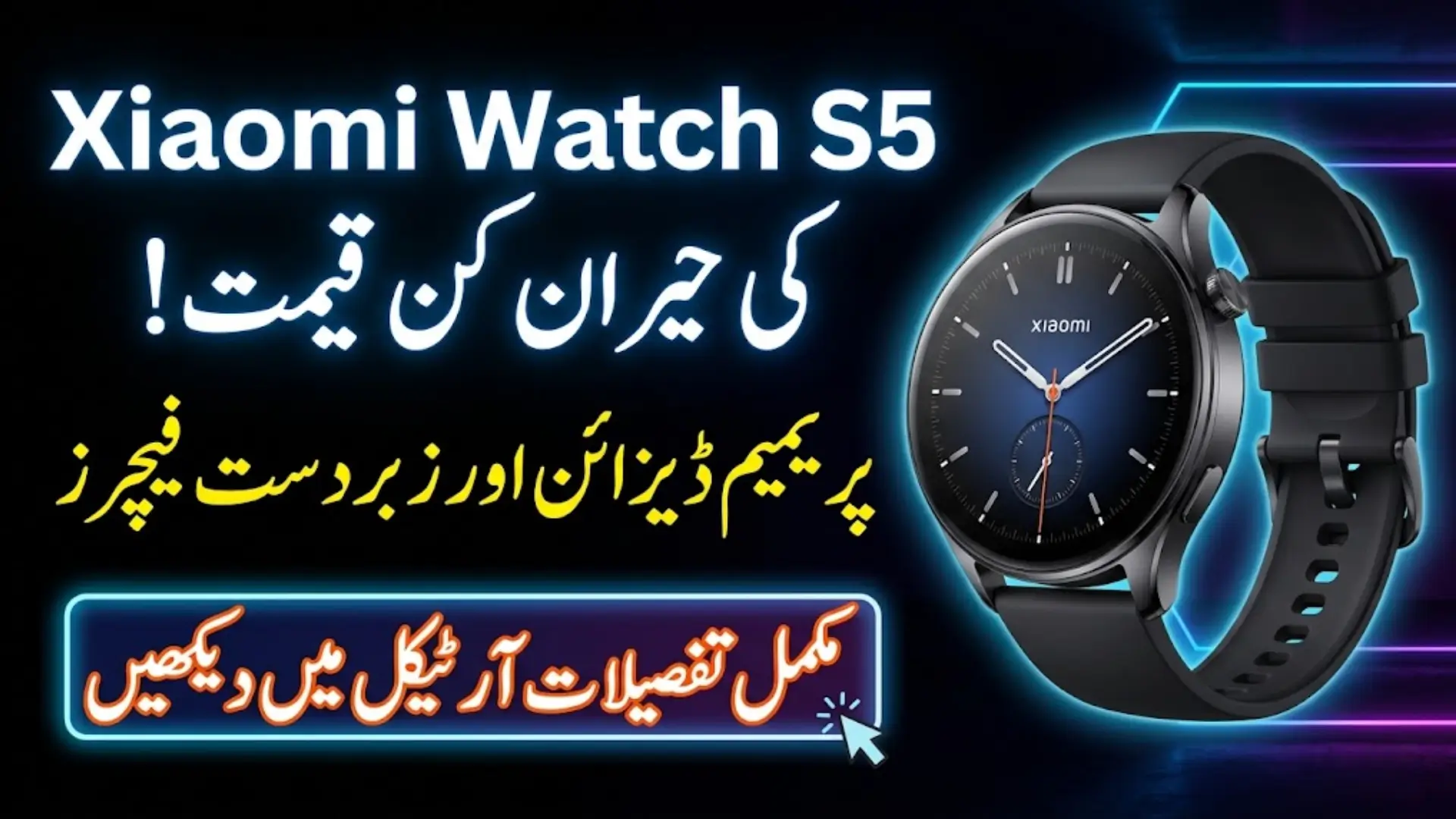
The Xiaomi Watch S5 46mm is a newly launched premium smartwatch in Pakistan that focuses on design, performance, and advanced health tracking. It is developed by Xiaomi, a well-known global technology brand recognized for its smartphones and wearable devices. This smartwatch is designed for users who want a combination of fitness tracking, smart features, and long battery life in a single device.
In the Pakistani wearable market, this model is gaining attention due to its premium build and upgraded features. It targets fitness enthusiasts, working professionals, and users who prefer a stylish smartwatch with strong performance. The watch also integrates modern software and navigation systems, making it suitable for both daily use and outdoor activities.
Xiaomi Watch S5 46mm Price in Pakistan and Availability
The Xiaomi Watch S5 46mm price in Pakistan is Rs. 45,999 at official Mi Store outlets. Some online retailers such as Priceoye are offering it at a discounted price of around Rs. 43,999, depending on availability and promotions. This pricing places it in the premium smartwatch category in Pakistan.
The watch is available in limited stock and mainly comes in black color in the local market. Buyers receive a complete package that includes the smartwatch, a magnetic charging dock, a user manual, and warranty information. Availability may vary depending on region and retailer.
Table 1: Xiaomi Watch S5 46mm Price and Availability
Feature
Details
Official Price
Rs. 45,999
Discounted Price
Rs. 43,999
Availability
Mi Store & Online Retailers
Color Option
Black
Design, Build Quality, and Display
The Xiaomi Watch S5 46mm features a premium circular design with a stainless steel body. The watch measures 46mm x 46mm x 10.99mm and weighs around 46 grams without the strap, making it comfortable for daily wear. Depending on the variant, it includes different bezel materials such as stainless steel, ceramic, or forged carbon.
The display is a 1.48-inch AMOLED panel with a resolution of 480 x 480 pixels and 323 PPI. It offers high brightness levels of up to 1500 nits (HBM) and 2500 nits peak, making it easily visible in outdoor sunlight. The screen quality ensures sharp visuals and smooth interaction for users.
Important Design Highlights:
Stainless steel premium build
Lightweight and comfortable design
High brightness AMOLED display
The Xiaomi Watch S5 46mm is now available through official Mi Store channels and selected online retailers in Pakistan, with promotional discounts reducing the price to around Rs. 43,999 for a limited time. Buyers are advised to check stock availability and ongoing offers, as pricing may vary by retailer and region.
Health and Fitness Tracking Features
The smartwatch offers a complete health monitoring system including heart rate tracking, SpO2 (blood oxygen) monitoring, stress measurement, and sleep tracking. It also includes women’s health tracking, breathing exercises, and a one-tap health checkup feature through the built-in app.
For fitness users, it supports multiple sports modes such as running, skiing, and outdoor training. The watch also provides running form analysis and training load insights, helping users improve their fitness performance over time.
The Xiaomi Watch S5 46mm supports multiple satellite positioning systems including GPS, Galileo, GLONASS, BeiDou, and QZSS. It uses a dual-band GNSS system that improves location accuracy and reduces signal loss during movement.
It also offers advanced navigation features like offline route tracking, backtracking, and off-route alerts. These features make it especially useful for runners, hikers, and outdoor users who need reliable navigation support without depending on mobile connectivity.
Smart Features and HyperOS Integration
The watch runs on HyperOS 3, which provides smooth performance and better connectivity with Xiaomi devices. It supports Bluetooth 5.4, Wi-Fi 2.4 GHz, and Bluetooth calling for convenient communication.
Users can control Xiaomi smartphones, tablets, earbuds, and smart home devices directly from the watch. It also includes snap gesture controls that allow actions like rejecting calls or taking photos remotely, improving ease of use in daily life.
Important Smart Features:
Bluetooth calling support
Smart device control system
Gesture-based controls
Battery Life and Charging Performance
The Xiaomi Watch S5 46mm is powered by an 815mAh lithium-ion battery. Xiaomi claims that the watch can last up to 21 days in typical usage and around 14 days in normal usage conditions. This makes it suitable for users who prefer long-lasting battery performance without frequent charging.
The device charges through a 2-pin magnetic charging dock, which ensures easy and stable charging. The combination of large battery capacity and optimized software makes it one of the more efficient smartwatches in its category.
The smartwatch comes with a 5ATM water resistance rating, meaning it can withstand pressure equivalent to 50 meters underwater. It is safe for swimming pools and light water activities, making it suitable for daily fitness routines.
However, it is not designed for diving, hot showers, saunas, or high-pressure water sports. Users should avoid extreme water conditions to maintain the durability and performance of the device over time.
Conclusion: Is Xiaomi Watch S5 46mm Worth Buying?
The Xiaomi Watch S5 46mm offers a strong combination of premium design, advanced health tracking, and long battery life. It is suitable for users who want a stylish smartwatch with accurate fitness monitoring and smart features.
Considering its price in Pakistan, it competes well in the premium smartwatch segment. It is a good option for fitness-focused users and Xiaomi ecosystem users who want reliable performance and modern features in one device.
FAQs About Xiaomi Watch S5 46mm
What is the Xiaomi Watch S5 46mm price in Pakistan? The price is around Rs. 45,999 officially and Rs. 43,999 at discounted online stores. It may vary depending on availability and retailer.
Does Xiaomi Watch S5 46mm support calling feature? Yes, it supports Bluetooth calling, allowing users to answer and make calls directly from the watch. It works when connected to a smartphone.
How long does the battery of Xiaomi Watch S5 last? The battery can last up to 21 days under typical usage conditions. Normal usage gives around 14 days of backup depending on features used.
Is Xiaomi Watch S5 46mm waterproof? It has a 5ATM water resistance rating, making it suitable for swimming and light water use. It is not suitable for diving or hot water exposure.