Salaried Class Tax in Pakistan
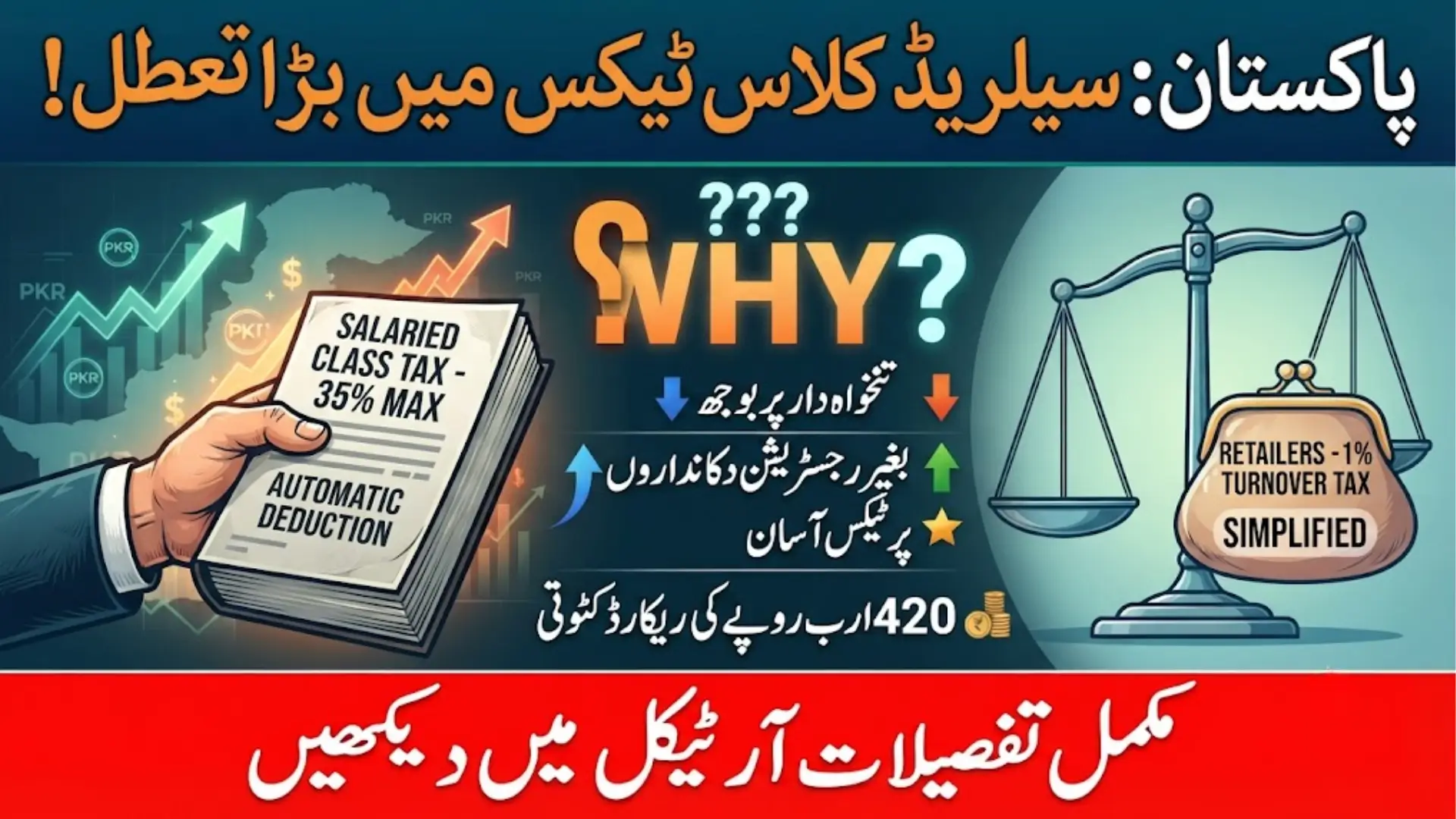
Pakistan’s tax system has become a major topic of discussion as differences between the treatment of salaried employees and small traders continue to attract attention. While the government has introduced a simplified tax scheme for retailers, many salaried individuals believe they are carrying a larger share of the country’s tax burden.
The debate has intensified ahead of the upcoming federal budget. Salaried workers contribute a significant amount to tax revenues through automatic deductions, while traders are being offered simplified compliance measures designed to encourage registration and tax participation.
Best MacBook Neo Alternatives Launched at Computex 2026
New Tax Scheme for Retailers in Pakistan
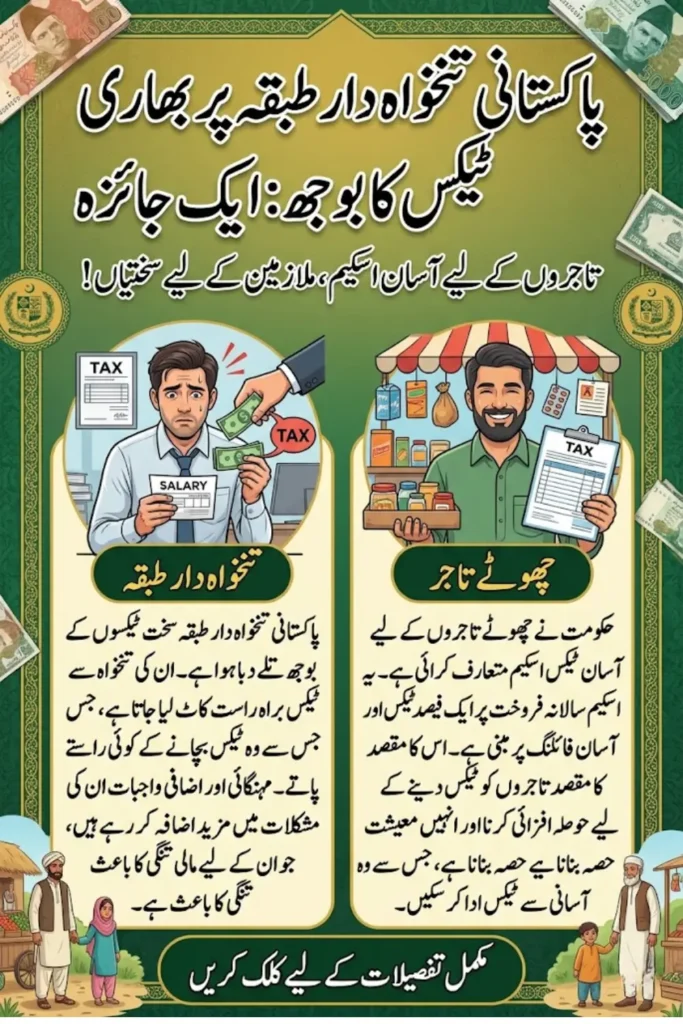
The government has introduced a simplified tax regime for eligible retailers with annual sales of up to approximately Rs. 200 million. Under this system, qualifying traders can choose a fixed tax rate of around 1% on turnover along with simplified filing requirements.
The objective of the scheme is to bring more businesses into the documented economy and encourage voluntary compliance. By reducing complexity, authorities hope to improve registration rates among retailers who traditionally operate with limited documentation.
Salaried Class Tax in Pakistan Explained
Salaried individuals in Pakistan are taxed under a progressive income tax system. This means tax rates increase as income rises, with higher earners paying a larger percentage of their income in taxes.
Unlike many other sectors, salaried employees cannot easily avoid or delay tax payments because employers are legally required to deduct taxes before salaries are transferred. This system ensures a high level of compliance and transparency.
Current Tax Slabs for Salaried Individuals
The current tax structure applies different rates based on annual income levels. Individuals earning higher salaries move into higher tax brackets and face increased tax obligations.
The following table summarizes the current tax slabs for salaried individuals:
| Annual Income (Rs.) | Monthly Income (Rs.) | Tax Rate |
|---|---|---|
| Up to 600,000 | Up to 50,000 | 0% |
| 600,001 – 1,200,000 | 50,001 – 100,000 | 1% |
| 1,200,001 – 2,200,000 | 100,001 – 183,333 | 11% |
| 2,200,001 – 3,200,000 | 183,334 – 266,667 | 23% |
| 3,200,001 – 4,100,000 | 266,668 – 341,667 | 30% |
| Above 4,100,000 | Above 341,667 | 35% |
In the first nine months of the outgoing fiscal year, the salaried class reportedly contributed Rs. 420 billion in taxes. This highlights the significant role employees play in government revenue collection.
Why Salaried Workers Face Higher Compliance Requirements
The tax deduction process for salaried individuals is largely automatic. Employers calculate and deduct taxes according to applicable laws before paying salaries, leaving little room for underreporting income.
This structure creates a highly documented system where earnings and tax payments are easily traceable. As a result, compliance levels among salaried employees remain significantly higher than many other sectors of the economy.
Latest Petrol Price in Pakistan June 2026 Updated Petrol and Diesel Rates
Comparison Between Salaried Employees and Retailers
The tax systems for salaried workers and retailers differ in several important ways. While employees are taxed based on income, retailers under the simplified scheme may pay tax based on turnover.
The following comparison helps explain the differences:
| Feature | Salaried Class | Retailers |
| Tax Basis | Net Salary Income | Annual Turnover |
| Tax Structure | Progressive Rates up to 35% | Fixed 1% Turnover Tax |
| Collection Method | Employer Deduction | Self-Filing |
| Compliance System | Fully Documented | Simplified Reporting |
| Monitoring | High Visibility | Depends on Registration |
These differences have become a central point in discussions about tax fairness and economic policy.
Key Challenges Facing the Salaried Class
Many salaried individuals believe the current system places a heavier burden on documented taxpayers. Since taxes are deducted automatically, employees have limited flexibility in managing their tax obligations.
Major concerns include:
- Progressive tax rates that increase with income
- Automatic deductions through employers
- Limited tax relief measures
- Rising cost of living pressures
- High compliance expectations
These issues are frequently raised by employees and professional groups seeking greater balance in the tax system.
Additional Taxes Affecting Salaried Individuals
Income tax is not the only financial burden faced by salaried workers. Many individuals also pay various withholding and indirect taxes through everyday transactions and utility services.
Common additional taxes include:
- Taxes on electricity bills
- Mobile phone taxes
- Fuel-related taxes
- Sales taxes on goods and services
- Various withholding taxes on transactions
Because these costs affect daily spending, they can place additional pressure on middle-income households, especially during periods of inflation.
BMW Pakistan Mid Year Special EV Offer 2026: Massive Price Cuts on BMW i4, i5, iX Series
Growing Debate Over Tax Fairness in Pakistan
The difference between the treatment of salaried employees and retailers has fueled public debate. Many taxpayers argue that individuals working in the formal sector contribute more consistently than those operating in less documented sectors.
Supporters of the retailer scheme argue that simplified taxation helps broaden the tax base by encouraging registration. Critics, however, believe similar relief measures should also be considered for the salaried class.
Expectations from the Upcoming Federal Budget
As the next federal budget approaches, many salaried workers are hoping for tax relief. Discussions include possible revisions to tax slabs, lower rates for middle-income earners, and measures that improve fairness across sectors.
Any changes announced in the budget could significantly affect disposable income for millions of employees. The government’s approach will likely be closely monitored by taxpayers and economic analysts alike.
Conclusion
The discussion surrounding Salaried Class Tax in Pakistan highlights the challenges of balancing revenue collection with fairness. While retailers are being offered simplified taxation through a fixed turnover-based scheme, salaried employees continue to pay taxes through a fully documented and highly compliant system.
With the federal budget approaching, many taxpayers are looking for measures that provide meaningful relief. Future tax policies will play an important role in shaping public confidence and improving the overall tax structure.
FAQs
What is the current maximum tax rate for salaried individuals in Pakistan?
The highest tax rate for salaried individuals is 35% for income above the highest applicable tax slab.
What is the new retailer tax scheme in Pakistan?
Eligible retailers with annual sales up to approximately Rs. 200 million can opt for a simplified tax system based on a fixed 1% turnover tax.
Why do salaried employees have high tax compliance?
Taxes are deducted directly by employers before salaries are paid, making compliance automatic and highly transparent.
How much tax has the salaried class contributed recently?
According to the provided data, salaried individuals contributed Rs. 420 billion in taxes during the first nine months of the outgoing fiscal year.
Why is tax fairness being debated in Pakistan?
Many people believe salaried workers face stricter taxation and compliance requirements compared to sectors that benefit from simplified tax arrangements.
MG HS PHEV Financing Offer Pakistan: Monthly Installments Starting from Rs. 206,229